
Commercial kitchens depend on reliable equipment every day. Ovens, refrigerators, fryers, dishwashers, and prep machines run for long hours and handle heavy workloads. When equipment fails, it can slow down service, waste food, and increase operating costs. Proper maintenance helps prevent these issues and keeps your kitchen running smoothly.
Restaurants that invest in preventive service often avoid emergency breakdowns and reduce long-term costs. When needed, professional equipment repair and maintenance services restore equipment quickly and keep operations running smoothly.
Maintaining foodservice equipment is not only about avoiding repairs. It also helps maintain food safety, improves energy efficiency, and protects your investment. Regular cleaning, proper usage, and scheduled inspections reduce the risk of sudden failures.
Businesses that follow a maintenance plan usually experience fewer interruptions and better performance. In some cases, equipment can operate effectively for many additional years when maintained correctly. When problems appear, timely Commercial foodservice equipment repair ensures that small issues do not become expensive replacements.
This guide explains practical steps to maintain kitchen equipment, prevent downtime, and support long-term performance.
Why Maintenance Matters in Commercial Kitchens
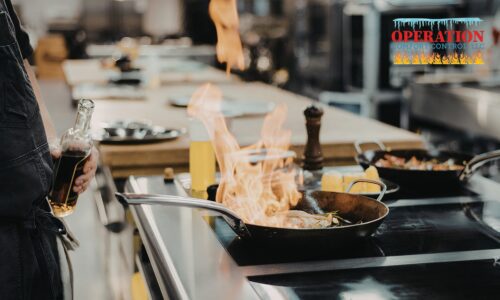
Foodservice equipment operates under demanding conditions. Heat, grease, moisture, and constant use can wear down components quickly.
Without regular care, small issues such as clogged filters, loose connections, or worn seals can turn into serious problems. Maintenance helps prevent these situations.
Proper equipment care provides several advantages:
- Longer equipment lifespan
- Lower repair and replacement costs
- Consistent cooking performance
- Improved food safety standards
- Better energy efficiency
Restaurants that schedule maintenance and inspections often avoid emergency breakdowns. If equipment begins to malfunction, professional Commercial foodservice equipment repair can restore performance and reduce operational disruptions.
Understanding Commercial Foodservice Equipment
Before discussing maintenance, it helps to understand what commercial foodservice equipment includes.
These machines are designed for high-volume cooking and food preparation. Unlike residential appliances, commercial units are built to handle continuous operation in restaurants, cafeterias, catering kitchens, and food production facilities.
Common equipment includes:
- Commercial ovens and ranges
- Deep fryers
- Walk-in refrigerators and freezers
- Ice machines
- Dishwashers and sanitation units
- Food preparation machines such as mixers and slicers
Each type of equipment has specific maintenance needs. However, most machines share common requirements such as cleaning, ventilation, inspection, and proper operation.
Daily Cleaning Practices That Protect Equipment
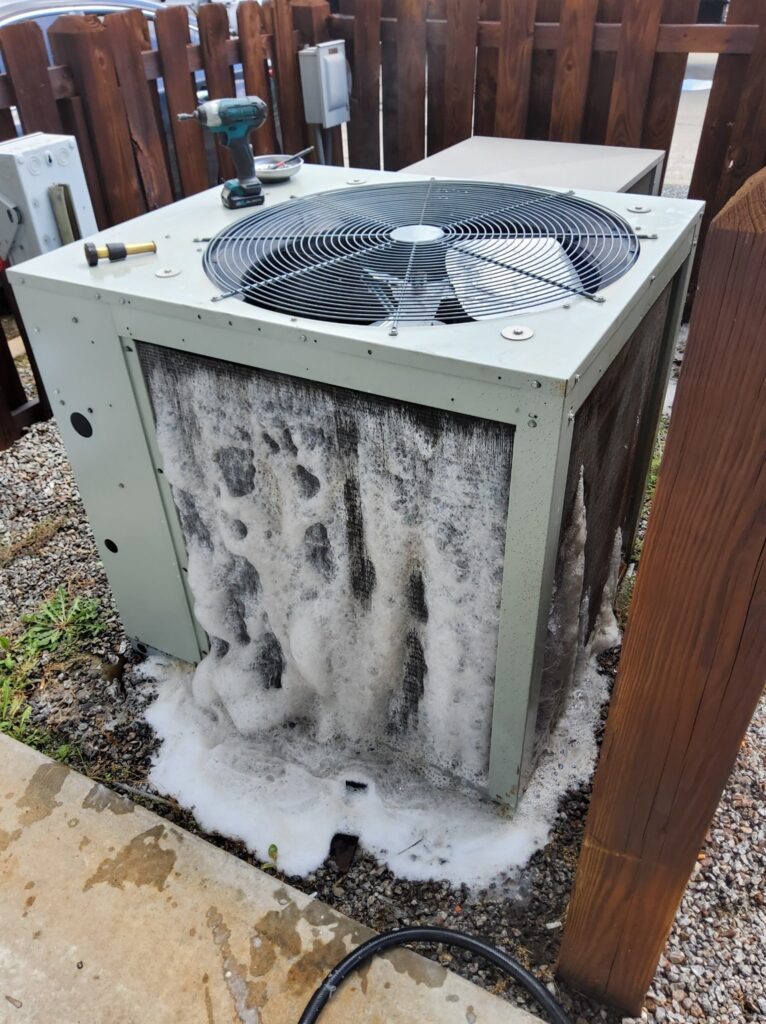
Daily cleaning is the foundation of equipment maintenance. Grease, food particles, and moisture accumulate quickly in busy kitchens. If these materials build up, they can affect performance and damage internal components.
Kitchen staff should follow a cleaning routine at the end of each shift. Surfaces should be wiped down, filters checked, and removable parts washed according to manufacturer instructions.
Grease buildup is one of the most common causes of overheating in cooking equipment. Cleaning vents, burners, and drip trays helps maintain proper airflow and heat distribution.
Refrigeration units also require attention. Door gaskets, which are the rubber seals around refrigerator doors, must remain clean and flexible. When gaskets crack or loosen, cold air escapes and the system works harder to maintain temperature.
Consistent cleaning prevents unnecessary strain on equipment and reduces the need for frequent walk-in cooler preventive maintenance
Weekly and Monthly Inspection Routines
While daily cleaning is essential, deeper inspections should occur weekly or monthly depending on usage.
Kitchen managers or maintenance teams should check equipment components such as electrical connections, gas lines, and moving parts. Any unusual noise, vibration, or temperature change may indicate an early warning sign.
Inspecting equipment regularly helps identify problems before they interrupt service. For example, a worn fan motor in a refrigeration unit may still function, but replacing it early prevents sudden failure during peak hours.
These inspections also allow technicians to perform adjustments that maintain efficiency and reduce long-term damage.
Proper Ventilation and Airflow Management
Ventilation plays a major role in commercial kitchen safety and equipment performance.
Cooking appliances generate heat, smoke, and grease vapors. Ventilation systems remove these elements and maintain a safe working environment.
Blocked or dirty ventilation systems can cause equipment to overheat. When airflow is restricted, internal components may wear out faster.
Kitchen staff should clean hood filters regularly and check exhaust fans to ensure proper airflow. Maintenance teams should also inspect duct systems periodically.
When airflow problems are ignored, equipment may require professional commercial cooking equipment preventive maintenance to restore safe operation.
Training Staff to Use Equipment Correctly
Many equipment failures occur because of improper use rather than mechanical defects.
Kitchen staff should understand how to operate each appliance safely and efficiently. Training reduces the risk of overloading machines, using incorrect settings, or operating equipment without proper preparation.
For example, deep fryers require correct oil levels and temperature settings. Running a fryer without enough oil can damage heating elements.
Similarly, refrigeration units should not be overloaded. Proper spacing between stored items allows air to circulate and maintain consistent temperature.
Clear training guidelines help protect equipment and reduce the frequency of professional equipment service
Preventive Maintenance by Professionals
Preventive maintenance involves scheduled service performed by experienced technicians.
During these visits, technicians inspect internal components, test electrical systems, clean mechanical parts, and calibrate temperature controls. Calibration means adjusting equipment to maintain accurate temperature or performance settings.
Preventive service ensures that equipment operates according to manufacturer standards. It also identifies worn parts before they fail.
Restaurants that invest in preventive service often avoid emergency breakdowns and reduce long-term costs. When needed, professional Commercial foodservice equipment repair restores equipment quickly and keeps operations running smoothly.
Signs Your Equipment Needs Attention
Recognizing early warning signs can prevent serious damage.
Restaurant staff should monitor equipment performance regularly. Any unusual change may indicate a developing problem.
Some common warning signs include:
- Equipment taking longer to heat or cool
- Unusual noises or vibrations
- Inconsistent cooking temperatures
- Water leaks around machines
- Increased energy bills
If any of these signs appear, a technician should inspect the equipment. Early action prevents costly downtime and ensures reliable performance.
Extending the Life of Refrigeration Equipment
Refrigeration systems are among the most critical machines in a commercial kitchen.
These units preserve food quality and maintain safe storage temperatures. If refrigeration fails, food spoilage and safety risks increase.
Proper maintenance includes cleaning condenser coils, checking refrigerant levels, and ensuring doors close properly. Condenser coils are metal components that release heat from the refrigeration system. When coils become dirty, the system must work harder to remove heat.
Regular service reduces energy use and extends equipment lifespan. When problems arise, prompt ice machine preventive maintenance ensures safe food storage.
Maintenance for Cooking Equipment
Cooking appliances such as ovens, ranges, and fryers operate at high temperatures and require regular care.
Burners, heating elements, and thermostats should be inspected periodically. A thermostat controls temperature inside cooking equipment. If it becomes inaccurate, food may cook unevenly.
Cleaning grease buildup around burners and heating elements improves performance and prevents fire hazards.
Restaurants that maintain cooking equipment properly often experience more consistent results and fewer interruptions during busy hours.
Maintaining Dishwashers and Sanitation Equipment
Commercial dishwashers handle large volumes of dishes, utensils, and cookware.
These machines rely on pumps, filters, and heating elements to clean and sanitize items effectively.
Filters should be cleaned daily to prevent food debris from clogging the system. Water temperature must also remain within recommended levels to ensure proper sanitation.
If dishwashers begin leaving residue or fail to reach the correct temperature, professional shake and frozen beverage preventive maintenance may be necessary.
Key Maintenance Checklist for Busy Kitchens
Here is a simple checklist kitchen teams can follow to keep equipment working properly:
• Clean equipment surfaces and removable parts daily
• Inspect ventilation filters and airflow systems
• Check electrical connections and gas lines regularly
• Monitor temperatures in ovens and refrigeration units
• Schedule professional inspections and preventive service
• Train staff to operate equipment according to manufacturer guidelines
Following this checklist reduces unexpected breakdowns and supports consistent kitchen operations.
Energy Efficiency and Equipment Performance
Energy efficiency is another reason to maintain foodservice equipment.
Machines that operate efficiently consume less electricity or gas. This reduces operating costs and lowers environmental impact.
Dirty filters, worn motors, and damaged seals often increase energy use. Maintenance restores efficiency and ensures equipment performs as intended.
Many restaurants notice a significant drop in energy costs after routine service and equipment adjustments.
How Maintenance Supports Food Safety
Food safety is one of the most important responsibilities in any commercial kitchen.
Equipment must maintain proper temperatures to prevent bacteria growth. Refrigerators must keep food cold, while cooking equipment must reach safe internal temperatures.
Thermometers, sensors, and thermostats must function accurately. If these components fail, food safety risks increase.
Regular inspections and Commercial foodservice equipment repair help maintain safe conditions and comply with health regulations.
Long-Term Cost Savings from Maintenance
Some restaurant owners delay maintenance to save money. However, this approach often leads to higher costs later.
Replacing a major appliance can be expensive and disrupt operations. Preventive care costs significantly less than emergency replacements.
Routine maintenance also helps identify parts that may soon require replacement. Changing these parts early prevents sudden equipment failure during busy service hours.
Investing in maintenance protects the long-term value of commercial kitchen equipment.
Hidden Support When Your Kitchen Needs It
Even well-maintained equipment may require service from time to time. When performance issues appear, experienced technicians can inspect, diagnose, and restore equipment quickly.
If your kitchen equipment shows signs of wear, it may be time to schedule a professional inspection. A reliable team can help keep your kitchen operating without interruptions and support long-term equipment performance.
Frequently Asked Questions
How often should commercial kitchen equipment be serviced?
Most equipment should receive professional maintenance every three to six months. High-use appliances may require more frequent inspections.
What causes commercial kitchen equipment to fail?
Common causes include poor cleaning routines, worn components, improper use, and lack of preventive maintenance.
Can regular maintenance reduce repair costs?
Yes. Maintenance identifies small issues before they become major problems. This reduces downtime and expensive emergency repairs.
Why is ventilation important in commercial kitchens?
Ventilation removes heat, smoke, and grease from cooking areas. Proper airflow protects equipment and maintains a safe working environment.
When should professional technicians be contacted?
Technicians should inspect equipment if you notice unusual noise, temperature changes, leaks, or performance problems.
Conclusion
Commercial kitchens depend on reliable equipment to maintain food quality, safety, and service speed. Proper cleaning, staff training, and routine inspections help prevent breakdowns and extend equipment lifespan.
When equipment is maintained consistently, restaurants experience fewer interruptions and lower operating costs. If issues develop, timely Commercial foodservice equipment repair keeps systems functioning and protects your kitchen investment.
A proactive maintenance approach ensures that foodservice equipment continues delivering dependable performance for years.
If your kitchen equipment shows signs of wear, it may be time to schedule a professional inspection through the contact our team page. A reliable team can help keep your kitchen operating without interruptions and support long-term equipment performance.
