
In a commercial kitchen, consistency is everything. Customers expect the same taste, texture, and quality every time they order. Behind the scenes, fryers play a major role in delivering that consistency. These machines operate under high temperatures for extended periods, making them one of the most demanding pieces of equipment in any kitchen. This is exactly why Fryer Cleaning is not optional—it is a critical part of maintaining performance and quality.
When fryers are not cleaned regularly, oil breaks down, residue builds up, and equipment efficiency drops. Over time, this leads to poor food quality, higher operating costs, and frequent maintenance issues. Many businesses overlook this until problems become visible, but by then, the damage has already started affecting both food and equipment you can also explore our services.
This detailed guide explains how regular cleaning improves food quality, extends fryer lifespan, reduces costs, and supports smooth kitchen operations while aligning with how people search for practical solutions today.
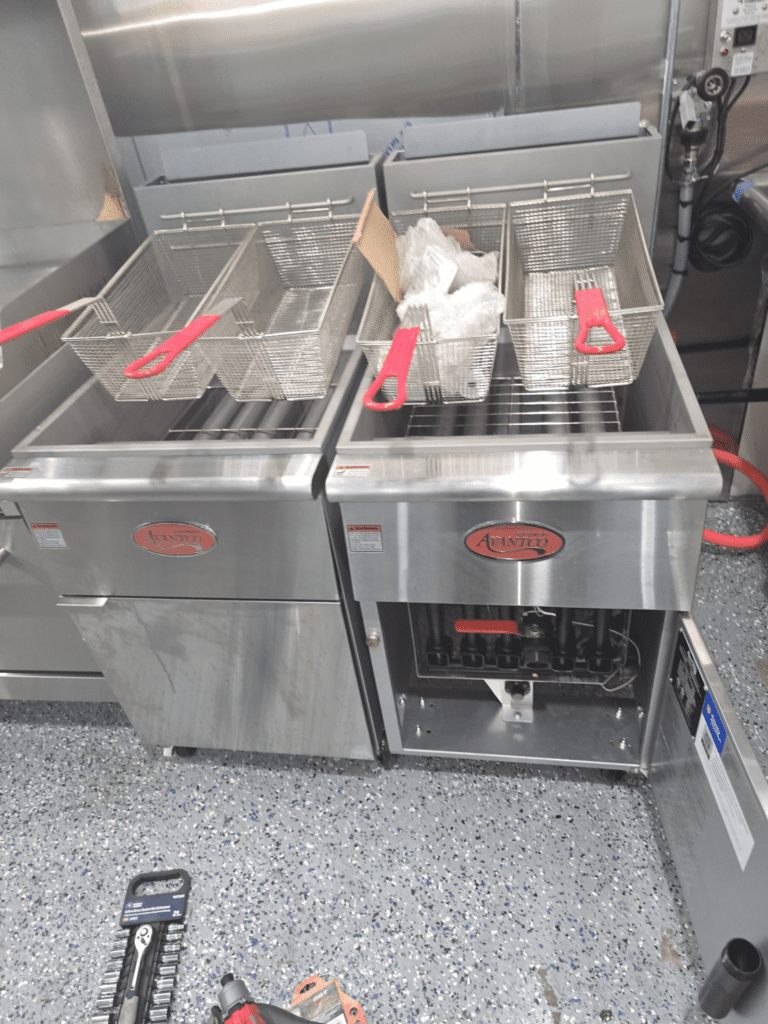
Understanding Oil Degradation and Residue Build-Up
To fully understand the importance of cleaning, it’s important to know what happens during frying.
Cooking oil undergoes chemical changes when exposed to high heat. One key process is oxidation, where oil reacts with oxygen and begins to break down. This results in darker oil, thicker consistency, and reduced cooking performance. Another process is polymerization, where degraded oil molecules combine and form sticky residues on fryer surfaces.
At the same time, food particles fall into the oil during cooking. These particles burn and create carbon deposits. Over time, this buildup coats the fryer’s interior and heating elements, reducing efficiency.
Without proper Fryer Cleaning, these issues combine to create a cycle of poor performance, higher costs, and declining food quality. Regular maintenance as part of commercial cooking equipment preventive maintenance helps prevent this buildup.
Flavor Integrity
Clean oil ensures that food tastes fresh and consistent. When oil is contaminated, it transfers unwanted flavors to new batches of food. Customers may notice a burnt or bitter taste, even if the food is cooked correctly.
Texture and Appearance
Proper frying depends on stable temperature. Clean fryers maintain heat efficiently, producing crispy and evenly cooked food. Dirty fryers struggle with heat distribution, leading to greasy or uneven results.
Oil Absorption
Food cooked in degraded oil absorbs more grease. This not only affects taste but also makes food heavier and less appealing. Regular Fryer Cleaning helps maintain proper oil condition, reducing excess absorption.
Visual Quality
Customers often judge food by appearance. Clean oil produces bright, golden results, while dirty oil makes food look darker and less appetizing.
How Fryer Cleaning Protects Equipment
Prevents Overheating
Carbon buildup acts as an insulating layer, forcing heating elements to work harder. This leads to overheating and potential damage. Cleaning removes this barrier and improves heat transfer.
Extends Component Life
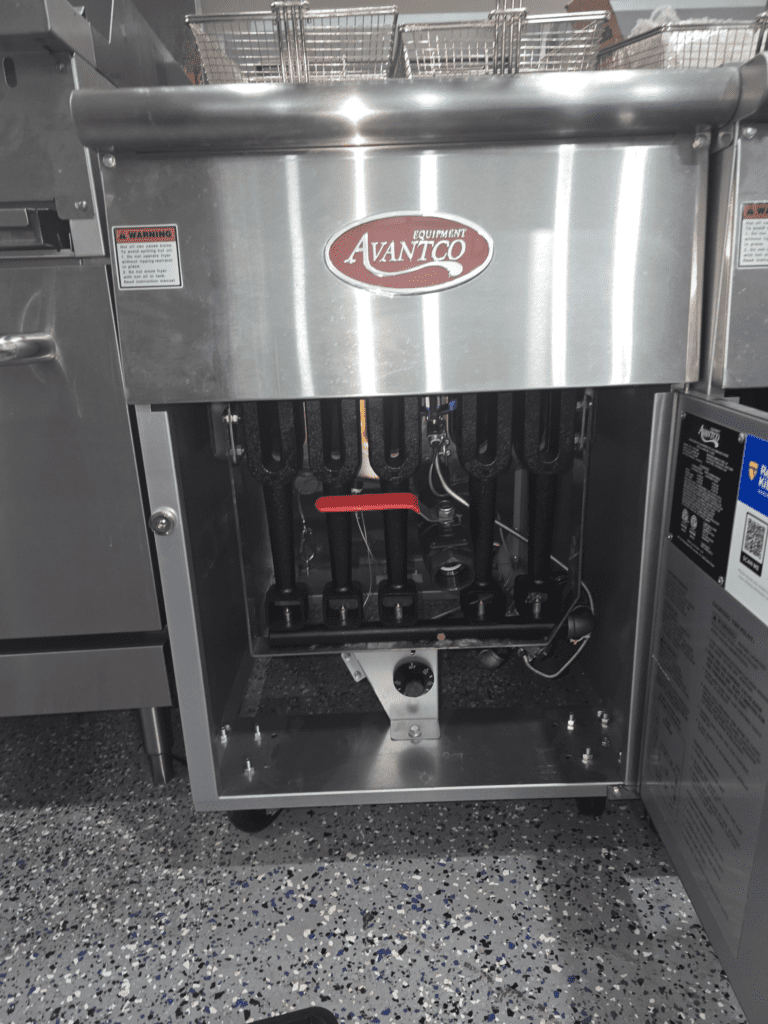
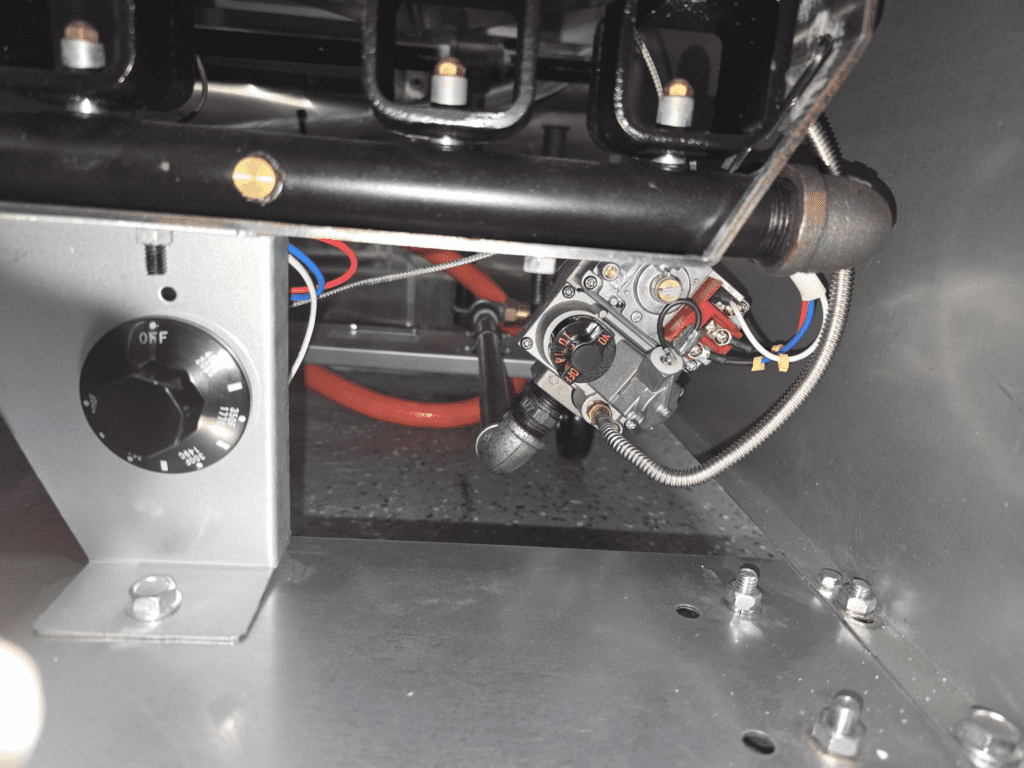
Internal parts such as burners, thermostats, and sensors perform better in a clean environment. Regular Fryer Cleaning reduces wear and extends the life of these components.
Avoids Costly Repairs
Small issues like clogged drains or residue buildup can turn into major repairs if ignored. Routine maintenance helps catch these problems early.
Maintains Efficiency
A clean fryer heats faster and uses less energy. This improves overall kitchen efficiency and reduces operational costs.
Faster Cooking Times
Clean fryers reach and maintain temperature quickly, reducing wait times during busy hours.
Better Workflow
When equipment performs reliably, kitchen staff can work more efficiently without interruptions.
Reduced Downtime
Regular cleaning prevents unexpected breakdowns, keeping operations smooth and consistent.
Compliance with Health Standards
Health inspections often focus on cleanliness. Maintaining clean fryers helps meet regulatory requirements and avoid penalties.
Signs That Cleaning Cannot Be Delayed
Recognizing early warning signs can prevent major issues:
- Oil smells strong or unpleasant
- Smoke appears at normal cooking temperatures
- Food cooks unevenly
- Oil foams excessively
- Residue is visible on fryer walls
These signs indicate that Fryer Cleaning should be done immediately.
Deep Cleaning vs Daily Maintenance
It’s important to understand the difference between routine and deep cleaning.
Daily Maintenance
This includes filtering oil, removing food particles, and wiping down surfaces. It helps maintain basic cleanliness and oil quality.
Weekly or Scheduled Deep Cleaning
Deep cleaning involves a complete drain, boil-out process, and thorough scrubbing. This removes stubborn grease and carbon deposits that daily cleaning cannot handle.
Both are necessary for maintaining fryer performance and align with structured maintenance programs like preventive maintenance plans.
Best Practices for Effective Fryer Cleaning
Use the Right Cleaning Solutions
Always use products designed specifically for fryers. These are formulated to break down grease without damaging equipment.
Follow Safety Procedures
Allow oil to cool before handling and use protective equipment to prevent burns.
Train Kitchen Staff
Proper training ensures cleaning is done correctly and safely.
Maintain a Cleaning Log
Keeping a record of cleaning schedules helps ensure consistency and accountability.
The Role of Filtration in Fryer Maintenance
Oil filtration is a key part of fryer care. It removes food particles and extends oil life. However, filtration alone is not enough. It must be combined with regular Fryer Cleaning to achieve the best results.
Filtered oil performs better, reduces waste, and improves food quality. Ignoring filtration leads to faster oil degradation and higher costs.
Cost Benefits of Regular Cleaning
Some businesses see cleaning as an expense, but it actually reduces overall costs.
Regular maintenance helps:
- Extend oil usage
- Lower energy consumption
- Reduce repair expenses
- Avoid early equipment replacement
In the long run, consistent Fryer Cleaning saves money and improves profitability.
Environmental and Sustainability Impact
Maintaining clean fryers also supports sustainability efforts. Efficient equipment uses less energy and reduces waste. Proper oil management minimizes disposal and environmental impact.
Businesses that focus on maintenance contribute to more responsible and efficient operations, similar to other services like ice machine preventive maintenance
When to Consider Professional Cleaning Services
While daily cleaning can be handled internally, professional services provide a deeper level of care. They use specialized tools to remove heavy buildup and inspect equipment thoroughly.
Professional cleaning is especially useful for high-volume kitchens where fryers are used continuously. It ensures every part of the equipment is cleaned and functioning properly.
Long-Term Business Impact
Clean fryers do more than improve food—they support business growth. Consistent quality leads to better customer satisfaction, positive reviews, and repeat business.
On the other hand, poor maintenance can damage reputation and reduce customer trust. Regular Fryer Cleaning plays a key role in maintaining high standards.
FAQ Section
How often should fryer cleaning be done?
It depends on usage. High-volume kitchens may require daily cleaning, while lower usage kitchens can follow a less frequent schedule.
Does cleaning affect oil lifespan?
Yes, clean fryers help oil last longer by removing contaminants that cause breakdown.
Can dirty fryers increase energy bills?
Yes, buildup reduces efficiency, causing the fryer to use more energy.
Is deep cleaning necessary if I filter oil daily?
Yes, filtration removes particles but not carbon buildup. Deep cleaning is still required.
What is the biggest risk of not cleaning a fryer?
The biggest risks include poor food quality, equipment failure, and safety hazards.
Conclusion
Regular fryer maintenance is essential for any commercial kitchen that wants to maintain quality, efficiency, and reliability. Clean fryers produce better-tasting food, operate more efficiently, and last longer. Ignoring maintenance leads to higher costs, safety risks, and inconsistent results.
At Operation Comfort Control, LLC, the goal is to keep kitchen equipment running at peak performance. If your fryer is showing signs of reduced efficiency or inconsistent results, taking action now can prevent bigger problems later.
There is a simple way to move forward—schedule a service check or request support through the contact page to keep your kitchen running smoothly and efficiently without interruptions.
