
Every restaurant owner in Savannah knows the sinking feeling of walking into the kitchen and finding a walk-in cooler that has stopped cooling, or an ice machine that has quietly died overnight. When that happens, most operators reach for the phone and call for emergency commercial equipment repair, hoping the technician can arrive before spoiled inventory and lost revenue pile up. But is reactive repair really the cheaper option, or does scheduled maintenance actually save more money over time? In this guide, we break down the true costs — visible and hidden — of preventive maintenance versus emergency commercial equipment repair, so you can make the smartest financial decision for your business.
At Operation Comfort Control, we have serviced hundreds of commercial kitchens across the Savannah, GA region, and the data is consistent: prevention almost always costs less than crisis response. Let’s look at why.
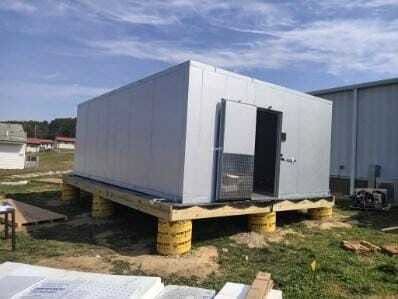
A walk-in cooler installed and serviced by our Operation Comfort Control team in the Savannah area.
What Is Preventive Maintenance?
Preventive maintenance is a scheduled program of inspections, cleanings, and small adjustments performed on kitchen equipment before anything actually breaks. Instead of waiting for a walk-in cooler compressor to fail or an ice machine to stop producing, a technician visits on a regular basis — monthly, quarterly, or seasonally — to catch small issues while they are still cheap and easy to fix.
This approach covers everything from refrigeration systems to cooking lines, and you can view the full range of options on our commercial equipment repair and maintenance services page. Preventive plans typically include coil cleaning, gasket inspection, refrigerant level checks, filter replacement, electrical connection testing, and calibration — all designed to extend the life of your equipment and avoid surprise breakdowns.
What Is Emergency Commercial Equipment Repair?
Emergency commercial equipment repair is exactly what it sounds like: reactive service called in after equipment has already failed. This is the walk-in cooler that stopped holding temperature overnight, the fryer that tripped a breaker during the dinner rush, or the ice machine that jammed on a Saturday morning. Because the failure is unplanned, emergency repair almost always costs more — in labor rates, in rush parts, and in the business you lose while equipment is down.
Emergency calls also tend to happen at the worst possible time, since equipment is under the heaviest load during peak service hours and busy weekends. A breakdown during a Friday night rush is far more disruptive — and often more expensive — than the same repair scheduled during a slow Tuesday afternoon.
Is Your Equipment Showing Warning Signs?
Don’t wait for a full breakdown. Schedule an inspection with our team today.
The Real Cost Comparison: Preventive Maintenance vs. Emergency Repair
On paper, preventive maintenance looks like an added expense — a recurring line item you have to budget for even when nothing seems wrong. Emergency repair, by contrast, looks free right up until the moment something breaks. But when you compare the two honestly, the numbers tell a different story.
Preventive Maintenance Costs
- Predictable, budgeted expense scheduled in advance
- Lower labor rates since visits are planned, not urgent
- Parts replaced before they fail, often at standard (not rush) pricing
- No lost revenue, since equipment stays operational
Emergency Repair Costs
- Higher after-hours and rush labor rates
- Expedited parts shipping fees
- Spoiled food inventory from refrigeration failures
- Lost sales during downtime, sometimes for days
- Possible health code violations or temporary closures
When you add up spoiled inventory, rush labor, expedited parts, and lost sales, a single emergency breakdown can easily cost several times more than a year of scheduled commercial equipment repair and maintenance visits combined.
The Hidden Costs of Emergency Repairs
Beyond the repair invoice itself, emergency breakdowns carry costs that rarely show up until later:
- Food waste: A failed walk-in cooler or freezer can spoil thousands of dollars in inventory within hours.
- Lost revenue: A broken fryer, oven, or beverage machine means fewer menu items you can sell during the exact hours you need them most.
- Overtime and staffing disruption: Staff may need to work around broken equipment or stay late while repairs are completed.
- Customer experience: Slow service or limited menus during a breakdown can hurt reviews and repeat business.
- Shortened equipment lifespan: Equipment that runs to failure repeatedly tends to need full replacement sooner than equipment that is properly maintained.
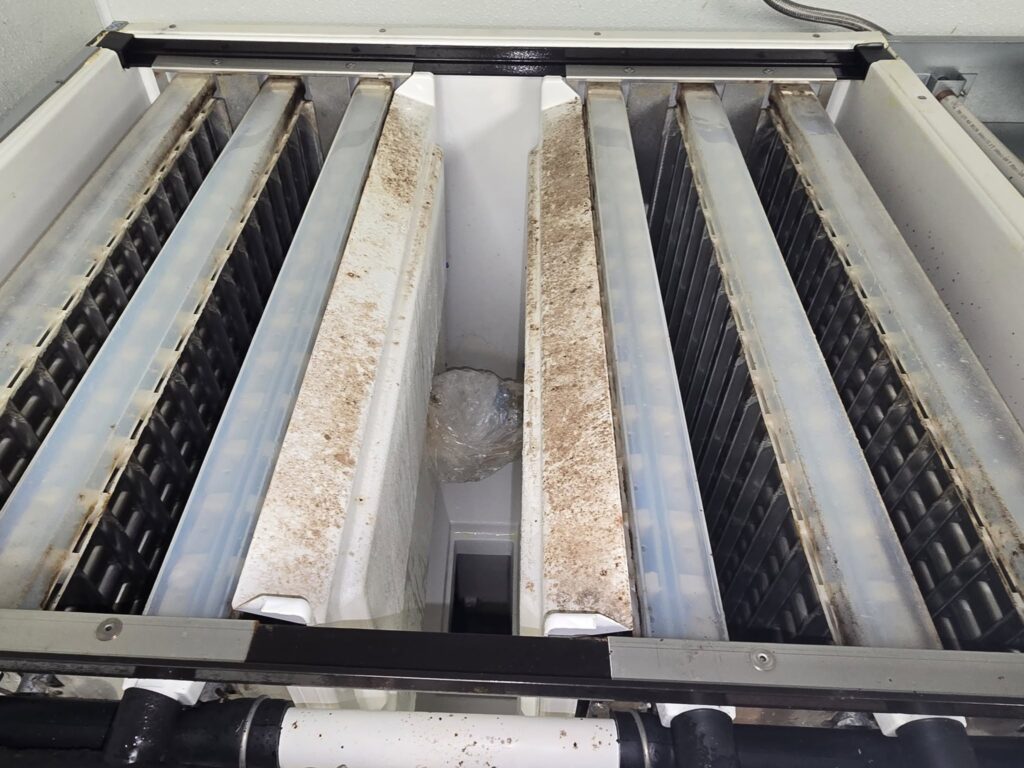
A neglected evaporator coil like this restricts airflow and forces the compressor to work harder — a common cause of emergency breakdowns.
Why Preventive Maintenance Saves Money Long-Term
Regular maintenance does more than prevent breakdowns — it protects the total value of your equipment investment. Commercial refrigeration units, ice machines, and cooking equipment represent tens of thousands of dollars in capital investment for most restaurants. A consistent maintenance schedule keeps that equipment running efficiently, reduces energy costs, and extends its usable life by years.
It also protects your OEM part warranties. Manufacturers often expect documented maintenance records, and skipping scheduled service can put warranty coverage at risk right when you need it most. In short, preventive maintenance is not an added cost — it is insurance against the much larger cost of emergency commercial equipment repair and the downtime that comes with it.
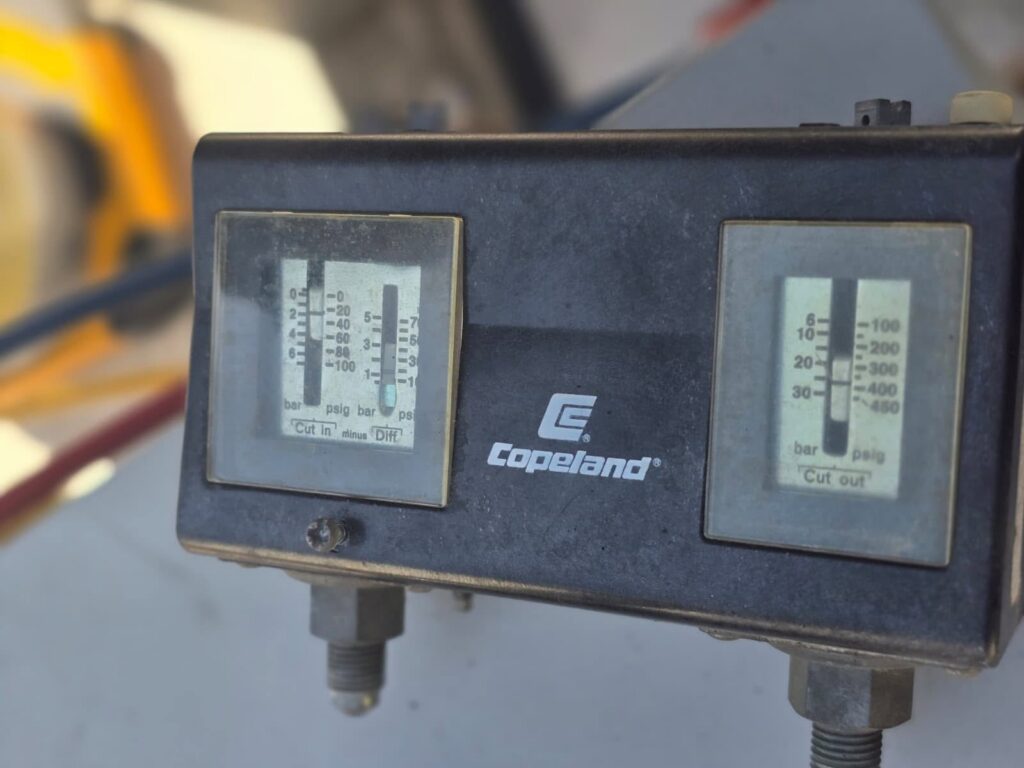
Refrigeration control components inspected during a routine preventive maintenance visit.
Protect Your Equipment Investment
Ask us about a maintenance plan tailored to your kitchen’s equipment and schedule.
Call Now: +1 912-253-4290Preventive Maintenance by Equipment Type
Different kitchen equipment fails in different ways, which is why a one-size-fits-all approach rarely works. Here is how preventive maintenance applies across the equipment we service most often.
Walk-In Coolers and Refrigeration
Walk-in coolers run continuously and are one of the most common sources of emergency calls. Regular walk-in cooler preventive maintenance catches refrigerant leaks, worn gaskets, and failing compressors before they cause a full shutdown. If you are planning a new build-out or replacing an aging unit, our walk-in cooler installation team can also help you start with equipment sized correctly for your kitchen.
Ice Machines
Ice machines are prone to mineral buildup, clogged filters, and sanitation issues that reduce output over time. Scheduled ice machine preventive maintenance keeps production consistent and prevents the kind of total failure that leaves a bar or drive-through without ice during a busy shift.
Commercial Cooking Equipment
Ovens, fryers, and cooking ranges take a daily beating during service. Routine commercial cooking equipment preventive maintenance checks igniters, thermostats, and safety controls so your line does not go down mid-rush.
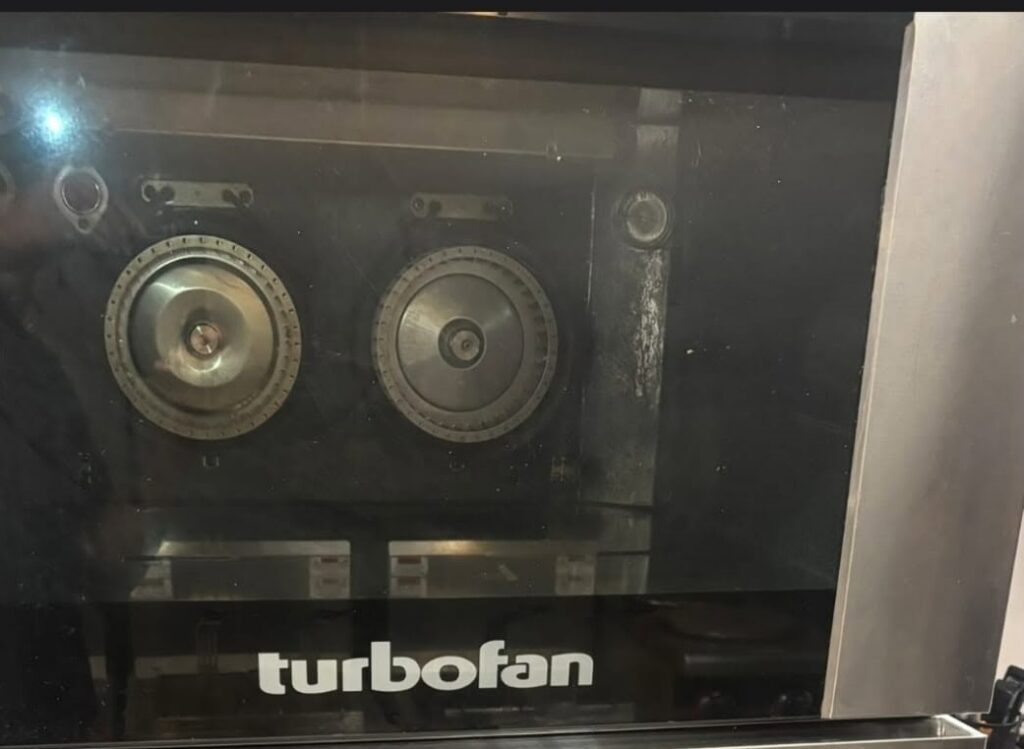
A commercial convection oven serviced as part of our cooking equipment maintenance program.
Beverage and Frozen Drink Machines
Shake, slushy, and frozen beverage machines require frequent cleaning and calibration to run smoothly. Our shake and frozen beverage preventive maintenance program keeps these high-turnover machines producing consistent product without unexpected downtime.
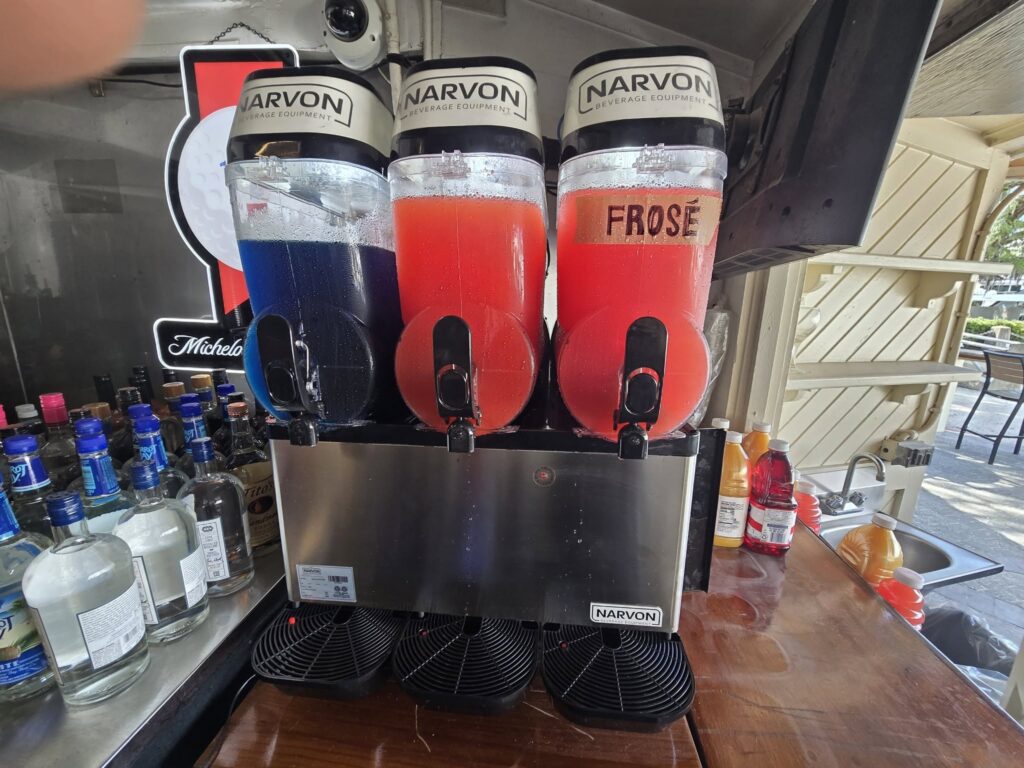
Frozen beverage machines require frequent cleaning and calibration to keep product quality consistent.
How to Build a Preventive Maintenance Schedule for Your Restaurant
Many restaurant owners understand that maintenance matters but are not sure where to start. A practical schedule does not need to be complicated — it needs to be consistent. Start by listing every major piece of equipment in your kitchen: walk-in coolers and freezers, ice machines, ovens and ranges, fryers, and any beverage or frozen drink machines. Each of these has different maintenance intervals, and a qualified technician can help you map out a calendar that fits your kitchen’s volume and equipment age.
A well-built schedule typically includes monthly visual inspections, quarterly deep cleanings, and seasonal checks tied to periods of heavier use, such as summer months when refrigeration systems work hardest. Keeping a written maintenance log is also valuable — not only does it help you track patterns and catch recurring issues early, it also gives you documentation to support OEM warranty claims if a covered part does eventually fail.
The goal of a maintenance schedule is simple: replace small, predictable expenses for a technician’s time with the much larger, unpredictable expenses of emergency commercial equipment repair. Restaurants that commit to a schedule consistently report fewer breakdowns, more stable food costs, and equipment that lasts noticeably longer than equipment that is only serviced after something goes wrong.
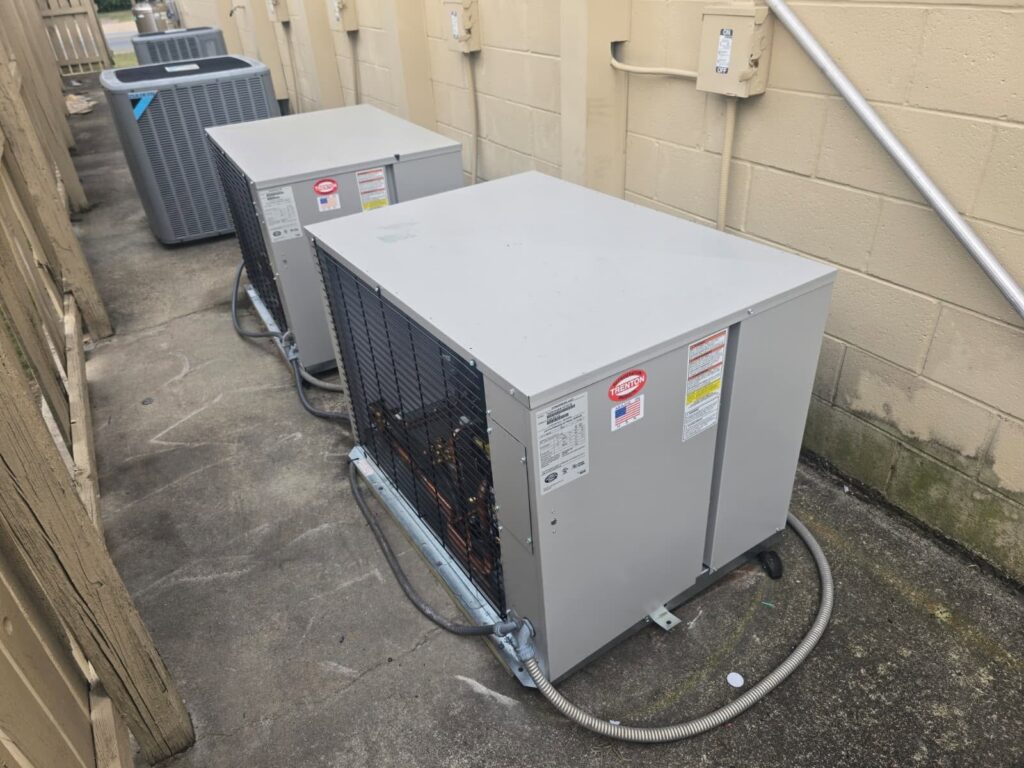
Outdoor condensing and refrigeration units also need regular inspection as part of a complete maintenance schedule.
Signs You May Already Need Repair, Not Just Maintenance
- Unusual noises, vibrations, or burning smells coming from equipment
- A walk-in cooler or freezer struggling to hold temperature
- Ice machines producing less ice than usual or shutting off unexpectedly
- Ovens or fryers heating unevenly or taking longer than normal to reach temperature
- Rising utility bills with no change in usage, often a sign of failing components
If you notice any of these warning signs, it is worth calling for an inspection before the issue becomes a full breakdown. Catching a problem at this stage is still far closer to the cost of preventive maintenance than it is to full emergency repair.
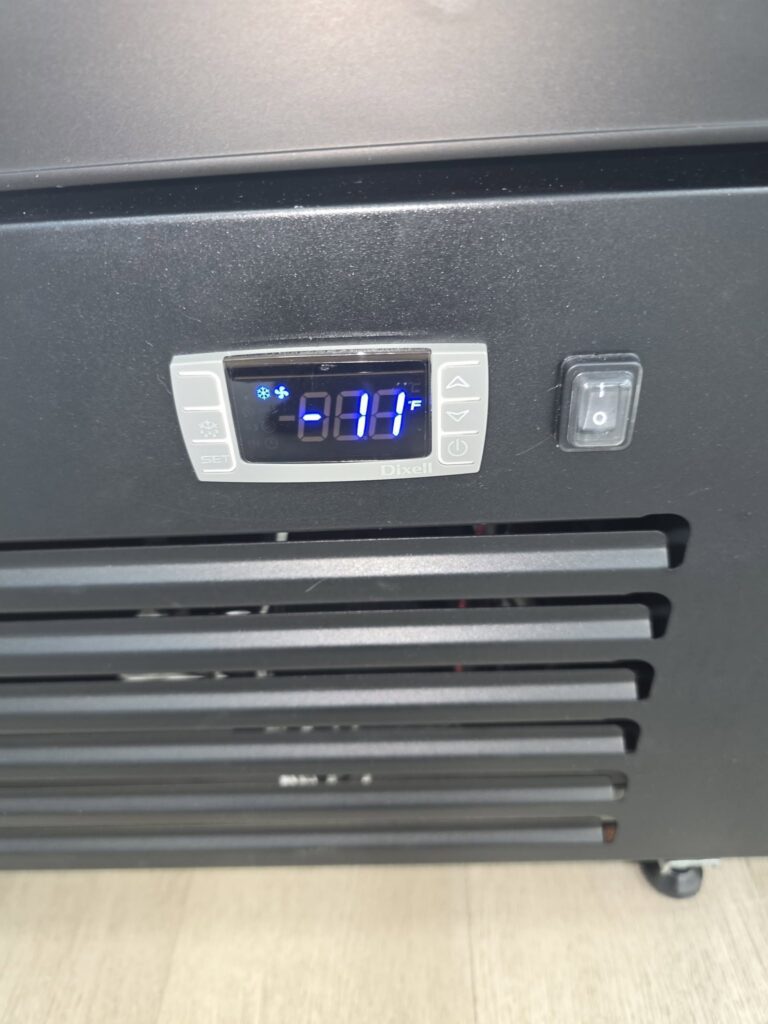
A digital refrigeration control display — monitoring these readings helps catch problems before they cause a shutdown.
Serving Savannah and the Surrounding Region
Whether your restaurant, hotel, or convenience store is located in downtown Savannah or one of the surrounding communities, a fast response time matters when equipment goes down. Operation Comfort Control provides scheduled maintenance and emergency commercial equipment repair throughout the region, including Pooler, GA and Bluffton, SC. You can see our full coverage map on the areas we serve page to check if your location is included.
Why Choose Operation Comfort Control
Operation Comfort Control has built a reputation with restaurants, hotels, and convenience stores across the Savannah area for combining technical expertise with genuinely responsive service. Our technicians work on all major commercial kitchen brands, back their work with OEM part warranties, and treat every job — whether it is a routine inspection or a middle-of-the-night breakdown — with the same level of urgency your business needs. You can learn more about our team and background on our About Us page, or start on our homepage to explore our full range of services.
Frequently Asked Questions
Is preventive maintenance really cheaper than paying for repairs only when something breaks?
In almost every case, yes. A single emergency breakdown — with rush labor, expedited parts, spoiled inventory, and lost sales — typically costs more than a full year of scheduled maintenance visits.
How often should commercial kitchen equipment be serviced?
Most equipment benefits from maintenance every one to three months, though high-use items like ice machines and walk-in coolers may need more frequent attention depending on your kitchen’s volume.
Can preventive maintenance completely eliminate the need for emergency repair?
No system is perfect, but a consistent maintenance schedule dramatically reduces the frequency and severity of unexpected breakdowns, and catches most issues while they are still minor and inexpensive to fix.
Does maintenance affect my equipment’s warranty?
Yes. Many manufacturers require documented maintenance to keep OEM part warranties valid, so regular service protects both your equipment and your warranty coverage.
The Bottom Line
When you weigh the full cost of downtime, spoiled inventory, rush labor, and lost sales against the predictable cost of a maintenance plan, preventive care is almost always the cheaper path for your restaurant. Emergency commercial equipment repair will always have a place — equipment can fail even with the best care — but building a maintenance schedule into your operations is the single best way to reduce how often you need it.
Ready to Stop Overpaying for Emergency Repairs?
Operation Comfort Control offers dependable preventive maintenance and 24/7 commercial equipment repair across Savannah, GA and the surrounding region.
Call Now: +1 912-253-4290Call us at (912) 253-4290 or visit our Operation Comfort Control Google Business Profile to see reviews from restaurants and businesses we’ve served across Savannah.
