
A commercial coffee machine works hard every day in cafés, offices, restaurants, and hotels. When it runs constantly without proper care, problems appear quickly. Water scale builds up, internal parts wear out, and the machine may stop producing consistent coffee. Regular maintenance keeps the equipment running smoothly and prevents expensive breakdowns.
Many business owners search for Coffee machine repair services only when their machine stops working. However, proper maintenance reduces the risk of sudden failure and extends the equipment’s life. A well-maintained machine produces better-tasting coffee, operates efficiently, and protects your business from downtime.
This guide explains practical steps that help business owners maintain their commercial coffee machines for long-term use. The tips come from common service practices used by technicians and equipment specialists.
Why Regular Coffee Machine Maintenance Matters
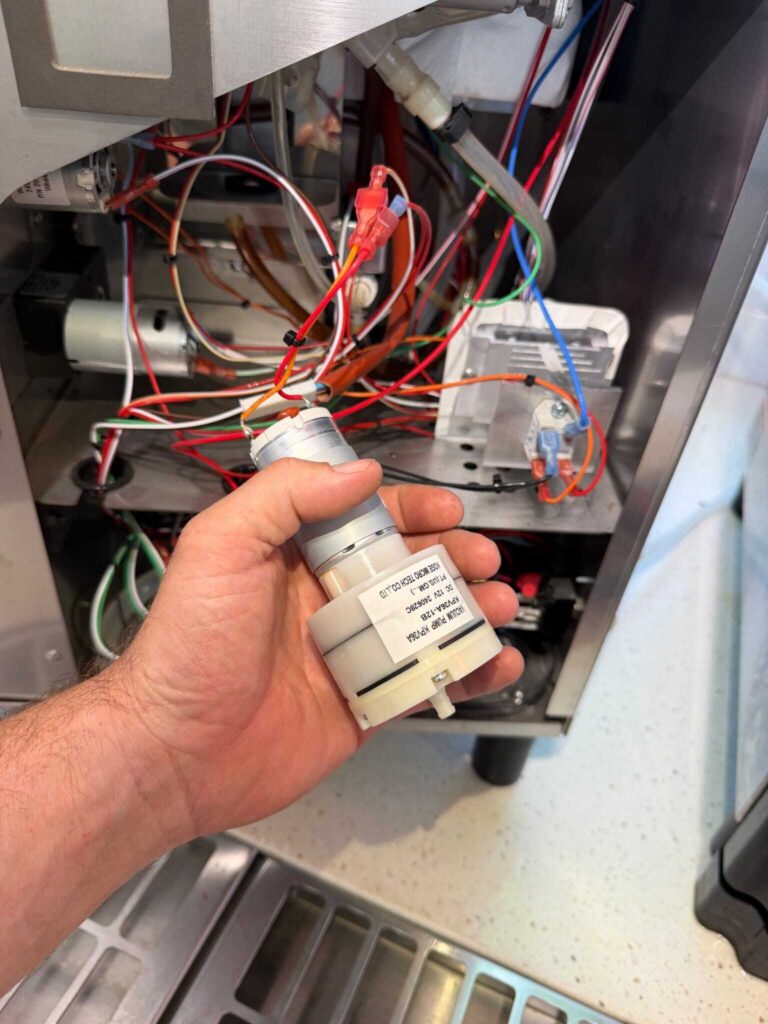
A commercial coffee machine contains several components such as boilers, pumps, heating elements, valves, and grinders. These parts operate under high pressure and heat. Over time, minerals in water create scale buildup, coffee oils accumulate in brewing parts, and seals slowly wear out.
Regular care improves three important areas.
1. Consistent Coffee Quality
Coffee flavor depends on stable temperature, pressure, and clean brewing components. When coffee oils build up inside group heads or filters, the taste becomes bitter or stale. Cleaning keeps the brewing path clear and ensures each cup tastes fresh.
2. Longer Equipment Life
Commercial machines are expensive equipment. Maintenance prevents premature wear on pumps, boilers, and valves. Businesses that follow cleaning schedules often avoid frequent Coffee machine repair services.
3. Reduced Downtime
When a machine fails during busy hours, customers wait longer and sales drop. Preventive maintenance helps identify issues early before they become serious problems.
Understanding How a Commercial Coffee Machine Works
Before learning maintenance steps, it helps to understand the basic parts of a commercial coffee machine.
Boiler System
The boiler heats water to the correct brewing temperature. Many machines maintain temperatures between 195°F and 205°F. Mineral buildup inside the boiler can reduce heating efficiency.
Pump and Pressure System
Coffee extraction depends on pressure. The pump pushes hot water through ground coffee at the proper pressure level, usually around 9 bars. If pressure drops, the coffee will taste weak.
Group Head
The group head is the part where the portafilter locks into the machine. Water flows through this component during brewing. Coffee residue often accumulates here and requires regular cleaning.
Steam Wand
The steam wand heats and froths milk. Milk residue can block the wand if not cleaned after use.
Understanding these components helps operators recognize when maintenance is necessary and when professional Coffee machine repair may be required.
Daily Cleaning Routine for Commercial Coffee Machines

Daily cleaning is the most important habit for keeping a coffee machine working properly. Small tasks performed at the end of each shift prevent buildup that causes long-term damage.
Operators should wipe the exterior surfaces, rinse the portafilters, and flush hot water through the group heads. These quick actions remove leftover coffee oils and grounds that collect throughout the day.
Steam wands must also be cleaned immediately after each use. Milk residue hardens quickly and can block the wand. A simple wipe with a damp cloth and a short steam purge keeps the wand clear.
Consistent daily cleaning reduces internal contamination and helps maintain proper brewing pressure. Businesses that skip this step often require Coffee machine repair much sooner than expected.
Weekly Deep Cleaning Process
Daily cleaning handles surface residue, but weekly cleaning removes deeper buildup inside the brewing system.
During weekly cleaning, operators perform a process called backflushing. Backflushing pushes cleaning solution through the group head to remove oils trapped inside the valves and screens.
This process usually involves inserting a blind filter into the portafilter and running a cleaning cycle with approved detergent. The cleaning solution dissolves coffee oils that accumulate inside the machine.
After cleaning, the machine should be flushed with clean water several times to remove remaining detergent.
Regular deep cleaning prevents blockages and reduces the need for professional Coffee machine repair caused by clogged valves or pressure problems.
Descaling the Machine to Remove Mineral Buildup
Water minerals slowly accumulate inside boilers and pipes. This buildup is called scale. Hard water areas experience faster scale formation.
Scale acts like insulation inside the heating system. It reduces heat transfer and forces the machine to work harder to maintain brewing temperature. Over time, this can damage heating elements and pumps.
Descaling removes these mineral deposits. The process usually involves running a descaling solution through the system and flushing it with clean water afterward.
Some businesses install water filtration systems to slow down mineral buildup. Even with filtration, occasional descaling is still necessary.
Ignoring scale buildup often leads to serious performance problems and eventually requires professional Coffee machine repair.
Replacing Water Filters Regularly
Water quality directly affects coffee taste and machine performance. Commercial coffee machines typically use inline water filters to remove chlorine, sediment, and minerals.
Filters gradually lose effectiveness over time. When a filter becomes saturated, it stops protecting the machine from scale and impurities.
Most manufacturers recommend replacing water filters every three to six months depending on usage and water conditions. Fresh filters improve flavor and protect internal components.
Businesses that maintain water filtration systems reduce service calls and avoid unnecessary Coffee machine repair.
Checking Seals, Gaskets, and Internal Parts
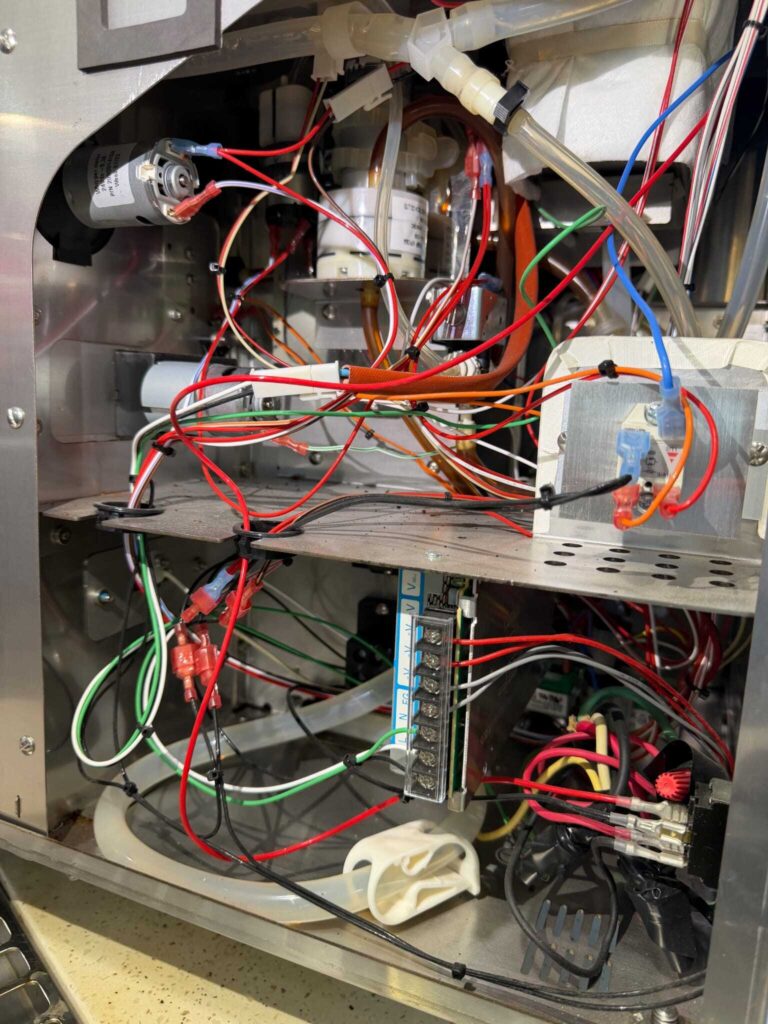
Rubber seals and gaskets keep water pressure stable inside the machine. Over time these parts wear out due to heat and constant pressure.
A worn gasket may cause water leaks around the portafilter or reduce brewing pressure. If operators notice dripping water or loose portafilters, the gasket likely needs replacement.
Regular inspections help identify small issues before they become major mechanical failures.
When internal parts such as pumps, valves, or sensors begin malfunctioning, professional Coffee machine repair may be necessary to restore proper performance.
Simple Maintenance Tasks Every Operator Should Know
Proper maintenance does not always require technical knowledge. Operators can perform several basic tasks that keep machines running efficiently.
• Clean portafilters and baskets after each shift
• Purge and wipe steam wands after steaming milk
• Backflush group heads weekly with cleaning solution
• Replace water filters according to manufacturer guidelines
• Monitor pressure gauges and brewing temperature
• Report unusual sounds or slow brewing immediately
These routine actions reduce equipment stress and help prevent unexpected breakdowns.
Signs Your Coffee Machine Needs Professional Service
Even with regular maintenance, machines eventually require professional attention. Recognizing early warning signs can prevent complete system failure.
Inconsistent Brewing Temperature
If coffee tastes weak or sour, the machine may not be heating water correctly.
Reduced Water Pressure
Low pressure leads to slow extraction and weak coffee. This often indicates pump or valve problems.
Unusual Noises
Grinding or rattling sounds from internal components can signal mechanical wear.
Water Leaks
Leaks around the group head or internal piping suggest damaged seals or fittings.
When these problems appear, a technician should inspect the equipment. Prompt Coffee machine repair prevents further damage and restores normal performance.
Staff Training Helps Prevent Equipment Damage
Many machine failures occur because staff members are not trained properly. Simple mistakes like forcing the portafilter into place or skipping cleaning routines can damage internal components.
Training employees on correct operation protects the machine and ensures consistent coffee quality.
Staff should understand basic cleaning procedures, brewing times, and warning signs that indicate the machine needs attention.
Proper training reduces service interruptions and lowers long-term maintenance costs.
Creating a Preventive Maintenance Schedule
Businesses that rely on coffee sales should treat their equipment like any other critical asset. A preventive maintenance schedule ensures that cleaning, inspections, and filter replacements happen consistently.
For example:
- Daily cleaning after closing
- Weekly deep cleaning
- Monthly inspections
- Quarterly water filter replacement
- Annual professional servicing
Following a schedule helps avoid emergency Coffee machine repair situations and keeps machines working efficiently year after year.
When to Contact a Professional Technician
Some maintenance tasks require specialized tools and technical knowledge. Professional technicians inspect electrical components, calibrate pressure systems, and repair internal parts safely.
If your machine shows repeated errors, temperature instability, or pressure problems, it is best to schedule professional service.
Experienced technicians can diagnose issues quickly and recommend the right solution before the problem becomes expensive.
Businesses that rely heavily on coffee service often benefit from scheduled professional maintenance. You can also explore our full range of commercial equipment maintenance services to keep all your kitchen assets in top condition.
Supporting Your Coffee Equipment with Expert Help
A commercial coffee machine is an investment that supports daily business operations. When properly maintained, it can operate reliably for many years.
If your machine begins showing signs of performance problems, it may be time to speak with a technician who understands commercial equipment.
Operation Comfort Control, LLC helps businesses keep essential equipment running smoothly. If your machine needs inspection, maintenance, or Coffee machine repair, the team is ready to help you get your equipment back to reliable operation.
FAQ: Commercial Coffee Machine Maintenance
How often should a commercial coffee machine be cleaned?
Basic cleaning should happen daily. Deep cleaning and backflushing should occur weekly to remove internal coffee oils and residue.
What causes scale buildup in coffee machines?
Scale forms when minerals in water accumulate inside heating systems and pipes. Hard water increases the rate of buildup.
Can poor water quality damage a coffee machine?
Yes. Minerals and impurities can clog valves, damage heating elements, and affect brewing temperature.
How long do commercial coffee machines usually last?
With proper maintenance, many commercial machines operate effectively for 7–10 years or longer.
When should I schedule professional service?
If you notice leaks, pressure issues, unusual noises, or inconsistent brewing results, a technician should inspect the machine.
Final Thoughts
Maintaining a commercial coffee machine is not complicated, but it requires consistency. Daily cleaning, proper water filtration, and routine inspections protect the equipment and ensure great coffee quality.
Businesses that invest time in maintenance often avoid unexpected breakdowns and costly repairs. When technical problems appear, timely coffee machine repair helps restore performance and keep operations running smoothly. If you’re facing any issues or need professional assistance, feel free to contact us—we’re here to help keep your equipment in top condition.
If your equipment needs attention or routine servicing, connecting with experienced technicians can help keep your coffee machines working reliably for the long term.
