
Restaurant kitchens depend on reliable equipment to keep food preparation fast, safe, and consistent. Ovens, fryers, refrigerators, dishwashers, and ice machines work for long hours every day. Because of this heavy use, equipment problems are common in commercial kitchens. When machines stop working or perform poorly, the entire kitchen operation can slow down.
Timely Restaurant kitchen equipment repair helps restaurants avoid downtime, prevent food waste, and maintain smooth service during busy hours. Many problems begin with small warning signs such as unusual noises, temperature changes, or slow performance. Understanding these early signals can help restaurant owners take action before the issue becomes expensive or dangerous.
This guide explains the most common kitchen equipment problems, their causes, and practical repair solutions. It also answers common questions restaurant owners ask when equipment starts malfunctioning. Visit our website to learn more.
Why Restaurant Kitchen Equipment Often Breaks Down
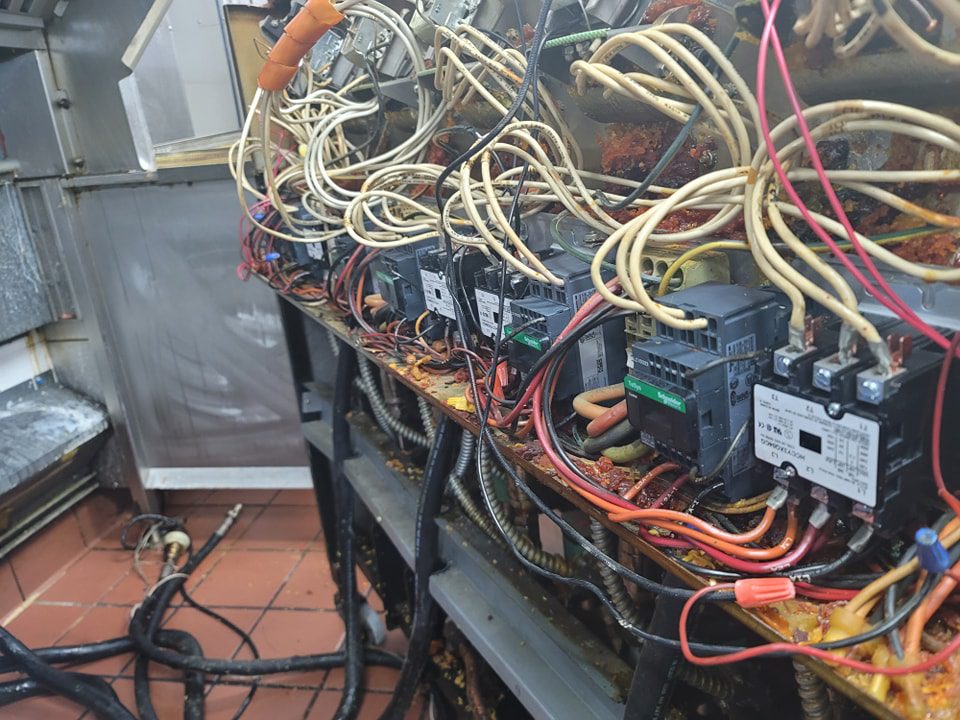
Commercial kitchen appliances are designed for heavy-duty work, but constant use still causes wear over time. Equipment in restaurants operates under high heat, grease exposure, moisture, and continuous operation.
Several factors increase the risk of equipment failure:
- Long daily operating hours
- Lack of routine cleaning
- Grease accumulation in components
- Blocked airflow or ventilation
- Electrical component wear
- Poor preventive maintenance
When these issues are ignored, machines begin losing efficiency and eventually stop working. This is when professional Restaurant kitchen equipment repair becomes necessary to restore proper operation. Learn more at Services
Early Warning Signs of Equipment Problems
Most restaurant equipment does not fail suddenly. In many cases, machines show clear warning signs before a major breakdown occurs.
Some common indicators include:
- Equipment taking longer to heat or cool
- Loud or unusual noises during operation
- Temperature not matching the settings
- Water pooling around machines
- Burning smells or electrical odors
- Equipment shutting off without warning
These signs should never be ignored. Addressing them quickly can prevent expensive repairs or emergency shutdowns during busy service hours.
Commercial Refrigerator and Freezer Problems
Refrigeration equipment is one of the most important systems in a restaurant kitchen. It protects food from spoilage and ensures ingredients remain safe for preparation.
When refrigeration systems fail, food safety risks increase immediately.
Common Refrigerator Issues
Restaurant kitchens often experience the following problems:
- Refrigerator not maintaining the correct temperature
- Ice buildup inside freezers
- Compressor running continuously
- Excessive condensation inside the unit
A compressor is the mechanical component responsible for circulating refrigerant through the cooling system. If it runs continuously, it may indicate airflow restrictions or internal component problems.
Causes of Cooling Failure
Several mechanical issues can cause refrigerators to lose efficiency:
- Dirty condenser coils
- Faulty thermostats
- Damaged door gaskets
- Refrigerant leaks
- Blocked internal airflow
Condenser coils release heat from the refrigeration system. When grease and dust accumulate on these coils, the system must work harder to maintain cold temperatures.
Repair Solutions
Technicians typically begin by cleaning the condenser coils and checking airflow. If the thermostat is malfunctioning, it may require calibration or replacement.
Refrigerant levels may also need inspection if cooling performance drops significantly. These repairs help restore stable cooling conditions and protect stored food.
Routine servicing reduces emergency Restaurant kitchen equipment repair calls and helps refrigeration systems run efficiently. For maintenance visit Walk-In Cooler Preventive Maintenance
Oven and Range Heating Problems
Cooking equipment such as ovens and ranges is essential for daily restaurant operations. When these appliances fail to heat properly, food preparation becomes inconsistent and slower.
Typical Oven Issues
Restaurant kitchens commonly report:
- Uneven cooking temperatures
- Burners not igniting
- Weak flames in gas ranges
- Oven temperatures not matching the thermostat
Gas ovens rely on ignition systems and burners, while electric ovens use heating elements. Both systems can experience wear over time.
Repair Solutions
Repair technicians inspect ignition components, gas valves, and electrical heating elements. Faulty igniters are often responsible for gas oven failures.
Electric ovens may require heating element replacement if the element becomes damaged or worn.
Calibration of the thermostat may also be necessary to ensure accurate cooking temperatures.
Deep Fryer Malfunctions
Deep fryers operate at extremely high temperatures and remain active for long periods during service. This constant use can lead to several mechanical issues.
Common Fryer Problems
Restaurant owners often notice:
- Oil not heating to the proper temperature
- Fryer heating very slowly
- Temperature fluctuating during cooking
- Unusual noises from the burner system
Causes of Fryer Failure
Several mechanical and maintenance factors may cause fryer problems:
- Faulty thermostat sensors
- Carbon buildup on burners
- Damaged heating elements
- Gas supply interruptions
- Dirty or contaminated cooking oil
Old or contaminated oil can reduce heat transfer and cause the fryer to work harder than necessary.
Repair Solutions
Technicians inspect burner systems, heating elements, and temperature sensors. Cleaning carbon buildup and replacing faulty components often restores proper heating performance.
Regular oil filtration and cleaning can also reduce wear on fryer systems and extend their lifespan. Learn more at Commercial cooking equipment maintenance.
Commercial Dishwasher Problems
Dishwashers help maintain sanitation standards in restaurant kitchens. When these machines stop performing correctly, dishes may not come out clean or sanitized.
Common Dishwasher Issues
Restaurant kitchens may experience:
- Dishes remaining dirty after wash cycles
- Water not reaching sanitizing temperature
- Slow draining during cycles
- Weak water spray pressure
Dishwashers rely on pumps, heating elements, and rotating spray arms to remove food residue.
Repair Solutions
Technicians check the circulation pump, inspect spray arms for blockages, and verify heating elements are working properly.
Drain systems are also examined to ensure water exits the machine efficiently.
When these components function correctly, the dishwasher can maintain proper hygiene standards for kitchen operations.
Ice Machine Production Problems
Ice machines support beverage service and food preparation. When ice production slows or stops, restaurants must respond quickly to maintain operations.
Common Ice Machine Issues
Typical problems include:
- Slow ice production
- Ice cubes forming incorrectly
- Water leakage near the machine
- Loud compressor noises
Mineral buildup from hard water often affects ice machines over time.
Repair Solutions
Technicians clean and descale internal components to remove mineral deposits. Water filters and inlet valves may also require replacement.
In some cases, compressors or condenser fans must be repaired or replaced to restore proper ice production.
Routine maintenance can prevent frequent Restaurant kitchen equipment repair for ice machines. Visit
Ventilation and Exhaust Hood Problems
Restaurant ventilation systems remove heat, smoke, and grease from the kitchen environment. When these systems fail, kitchens become uncomfortable and potentially unsafe.
Common Ventilation Issues
Some frequently reported problems include:
- Weak airflow from exhaust hoods
- Excessive smoke buildup
- Grease accumulation inside ductwork
- Loud fan noises
Grease buildup inside ventilation systems can also increase fire risk.
Repair Solutions
Technicians inspect exhaust fans, clean duct systems, and check motor performance. Damaged fan motors or belts may require replacement.
Routine hood cleaning is also necessary to maintain airflow and reduce fire hazards.
Electrical Failures in Kitchen Equipment
Modern restaurant appliances rely heavily on electrical systems. When wiring or components fail, machines may shut down or operate unpredictably.
Typical Electrical Issues
Common electrical failures include:
- Tripped circuit breakers
- Loose electrical connections
- Burned switches
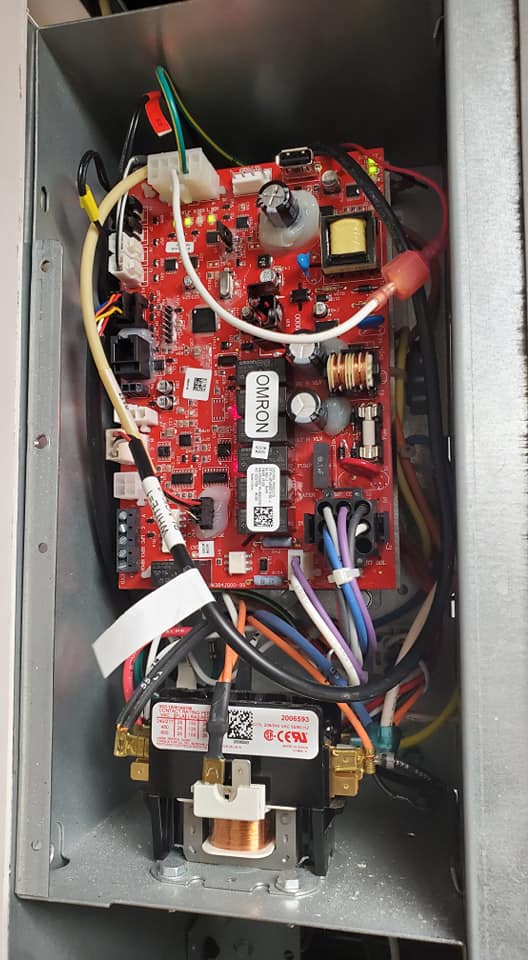
- Faulty control boards
A control board is the electronic component that manages appliance functions such as timers, temperature settings, and automated cycles.
Repair Solutions
Technicians inspect wiring connections, test voltage supply, and replace damaged electrical parts.
Electrical repairs must always be handled by qualified professionals to ensure safety and compliance with regulations.
Preventive Maintenance for Commercial Kitchen Equipment
Preventive maintenance helps restaurants avoid unexpected equipment breakdowns. Regular inspections and cleaning keep machines operating efficiently.
Important maintenance steps include:
- Cleaning refrigeration condenser coils regularly
- Inspecting electrical wiring and switches
- Checking gas connections and burners
- Replacing worn refrigerator door seals
- Cleaning fryer burners and filters
- Inspecting ventilation systems for grease buildup
These steps reduce the likelihood of sudden failures and extend the lifespan of expensive kitchen appliances.
Regular maintenance also helps restaurants reduce the need for emergency Restaurant kitchen equipment repair. Learn more Walk in cooler installation
How Technicians Diagnose Equipment Problems
Professional technicians use a systematic process to identify equipment issues.
First, they review the symptoms reported by the kitchen staff. Then they inspect mechanical components, electrical systems, and temperature performance.
Specialized diagnostic tools measure voltage, gas pressure, and temperature accuracy. These tests help technicians determine the root cause of the malfunction.
Once the problem is identified, the technician replaces worn components or repairs the system to restore full functionality.
This approach ensures that Restaurant kitchen equipment repair addresses the underlying issue rather than temporary symptoms. Learn more about the company.
When to Repair or Replace Restaurant Equipment
Restaurant owners often ask whether it is better to repair a machine or replace it completely.
Several factors help guide this decision:
- Age of the equipment
- Frequency of breakdowns
- Cost of replacement parts
- Energy efficiency of newer models
- Impact of downtime on kitchen operations
In many situations, repairing the equipment is the most cost-effective solution when the unit is still within its expected lifespan.
A professional technician can evaluate the condition of the appliance and recommend the best option.
Frequently Asked Questions
What is the most common restaurant kitchen equipment problem?
Refrigeration issues are among the most common. Dirty condenser coils and worn door seals often cause temperature fluctuations.
How often should restaurant equipment be serviced?
Most commercial kitchen equipment should be inspected every three to six months depending on usage.
Can restaurant staff repair kitchen equipment?
Basic cleaning and maintenance can be done by kitchen staff. However, mechanical, electrical, and gas repairs should always be handled by trained technicians.
Why does commercial kitchen equipment fail faster than home appliances?
Restaurant equipment operates for longer hours under higher temperatures and heavier workloads than household appliances.
How can restaurants prevent frequent equipment breakdowns?
Routine cleaning, scheduled inspections, and quick repairs when warning signs appear can significantly reduce equipment failures.
Keep Your Kitchen Running Smoothly
Reliable equipment is essential for every restaurant kitchen. When machines begin showing signs of trouble, fast action helps prevent downtime and keeps food preparation running smoothly.
Professional Restaurant kitchen equipment repair helps restaurants maintain safe operations, protect food quality, and extend the life of valuable equipment.
If your kitchen equipment is not performing as expected, the experienced team at Operation Comfort Control, LLC is ready to assist. View work or get help here
