
Running a restaurant requires many moving parts. From ovens and refrigerators to dishwashers and prep stations, every piece of equipment plays a role in daily operations. When machines stop working, service slows down, food quality can suffer, and customers may leave unhappy.
This is why timely equipment repair matters for every restaurant. When problems are fixed early, kitchens continue running smoothly, food stays safe, and staff can focus on serving customers instead of dealing with breakdowns. Restaurant owners who respond quickly to equipment issues often avoid expensive shutdowns and unexpected costs.
This article explains why fixing equipment quickly is essential, how delays affect restaurant operations, and what restaurant owners can do to keep their kitchen running without interruptions.
Understanding the Role of Equipment in Restaurant Operations
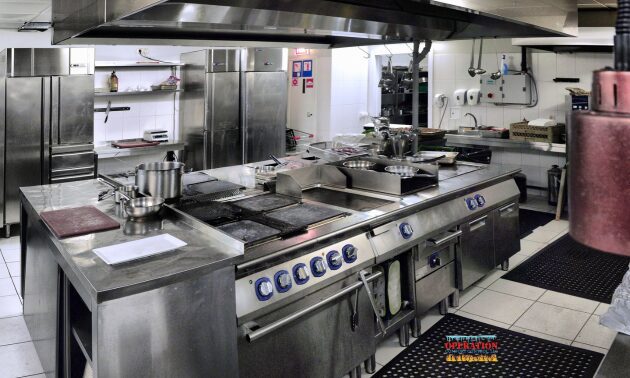
A restaurant kitchen depends on several machines working together. Refrigerators store ingredients safely, ovens cook meals evenly, and dishwashers maintain sanitation standards. When even one of these stops working, the workflow of the kitchen changes immediately.
For example, if a refrigerator stops cooling properly, ingredients may spoil within hours. If an oven heats unevenly, food quality becomes inconsistent. In busy kitchens, even small mechanical issues can cause delays during peak hours.
Because of this, restaurant managers need to treat maintenance and equipment repair as a normal part of running a food business. Addressing issues early keeps service stable and prevents a chain reaction of operational problems. Learn more about professional maintenance solutions on the Services page.
What Happens When Equipment Problems Are Ignored
Many restaurant owners delay fixing equipment because they believe the issue is small or temporary. However, minor mechanical faults rarely stay minor. Over time they grow into larger failures that require expensive replacements.
A loose electrical connection can eventually damage an entire control system. A clogged ventilation system may overheat kitchen appliances. Refrigeration units that struggle to maintain temperature often use more energy and fail sooner.
Ignoring warning signs like unusual sounds, slow heating, or inconsistent cooling increases the risk of sudden failure. Restaurants that respond quickly to small problems usually avoid emergency repairs and costly downtime.
Signs That Restaurant Equipment Needs Immediate Attention
Kitchen machines often give warning signals before breaking down. Staff members who understand these signs can report issues early so technicians can fix them before service is affected.
Common warning signals include:
- Unusual noises coming from motors or compressors
- Equipment taking longer to heat or cool
- Temperature readings that fluctuate unexpectedly
- Water leaks around dishwashers or refrigerators
- Electrical panels or switches becoming unusually hot
When these issues appear, it is a good time to schedule equipment repair instead of waiting for the machine to stop working completely. For refrigeration-related concerns, see Walk-In Cooler Preventive Maintenance.
How Timely Repairs Protect Food Safety
Food safety is one of the most important responsibilities of any restaurant. Health regulations require restaurants to store and prepare food at specific temperatures to prevent bacterial growth.
For example, refrigerators must keep food below safe temperature limits. If cooling systems fail, bacteria can multiply quickly in meat, dairy products, and prepared meals. Serving contaminated food can lead to foodborne illness and serious legal consequences.
Regular inspections and quick equipment repair help prevent these risks. When refrigeration, cooking, or sanitation machines work properly, restaurants can maintain the safety standards required by health authorities.
Preventing Unexpected Kitchen Shutdowns
Restaurants rely on consistent service hours. Customers expect meals to be available during lunch, dinner, and weekend rush periods. Equipment failures during peak hours can force kitchens to stop taking orders or close early.
A malfunctioning grill or fryer may slow food preparation. If dishwashers stop working, clean plates and utensils run out quickly. When refrigeration units fail, food storage becomes unsafe.
Timely repairs reduce the chance of these interruptions. Restaurants that address issues early keep their kitchen operating smoothly throughout the day. Explore cooking equipment care at Commercial Cooking Equipment Preventive Maintenance.
Reducing Long-Term Operating Costs
Many restaurant owners focus on immediate expenses and overlook the financial impact of neglected equipment. Machines that operate with faults often consume more electricity and wear out faster.
For instance, a refrigerator with a damaged seal works harder to maintain cold temperatures. This increases energy usage and shortens the life of the compressor. Similarly, ovens with faulty heating elements may take longer to cook food, slowing down kitchen productivity.
By scheduling equipment repair when issues first appear, restaurant owners can reduce energy waste and extend the lifespan of expensive appliances.
Supporting Staff Productivity in the Kitchen
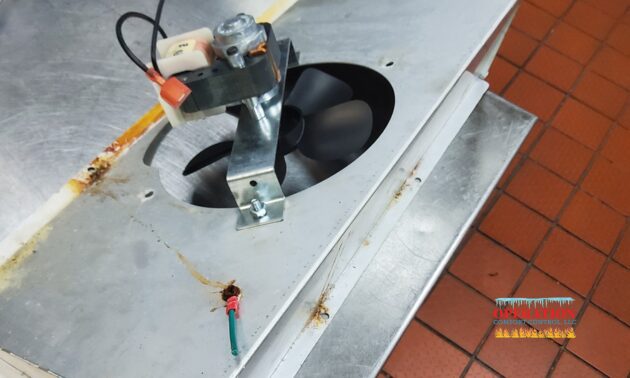
Kitchen teams rely on equipment to complete tasks quickly and safely. When machines work correctly, staff can prepare meals efficiently and maintain a steady workflow.
When equipment breaks down, employees must find workarounds. Cooks may have to share appliances, wait longer for dishes to finish cooking, or adjust recipes to compensate for faulty equipment. This creates stress during busy service periods.
Timely maintenance and repair allow staff to focus on their primary responsibilities—preparing quality meals and serving customers.
Protecting Restaurant Reputation
Customer experience determines whether people return to a restaurant. Delays in food preparation, inconsistent meal quality, or limited menu availability can quickly affect online reviews and word-of-mouth reputation.
Equipment problems often lead to these issues. If ovens cannot cook evenly or refrigeration units cannot store ingredients safely, menu items may be unavailable or poorly prepared.
Restaurants that prioritize equipment repair reduce these risks and maintain a reliable dining experience for guests.
Safety Risks Caused by Faulty Equipment
Malfunctioning kitchen appliances can create safety hazards for staff members. Electrical problems, overheating equipment, and gas leaks are serious risks in commercial kitchens.
For example:
- Damaged wiring can cause electrical shocks or fires
- Faulty gas connections may lead to dangerous leaks
- Overheated motors can damage surrounding equipment
Addressing mechanical issues quickly improves workplace safety and helps restaurants meet safety regulations.
Maintenance vs. Repair: Understanding the Difference
Maintenance and repair are closely related but not identical.
Maintenance refers to routine actions such as cleaning components, inspecting electrical connections, lubricating moving parts, and checking temperature controls. These steps help prevent equipment problems.
Repair, on the other hand, involves fixing parts that have already failed or worn out. This may include replacing motors, repairing wiring, adjusting control systems, or restoring damaged components.
Both practices are necessary for restaurant kitchens. Preventive maintenance reduces the chance of failure, while quick repairs restore equipment performance when problems appear.
How Restaurants Can Reduce Equipment Breakdowns
Restaurant owners and managers can take several practical steps to reduce equipment failures and maintain smooth operations.
One effective approach is building a routine inspection schedule. Kitchen managers can assign staff to check temperatures, listen for unusual sounds, and report problems immediately. Another useful strategy is training employees to clean equipment properly after each shift.
Working with experienced technicians also helps restaurants keep equipment in good condition. Reliable service professionals understand commercial kitchen systems and can identify hidden issues before they grow into larger failures. Ice system reliability can also be improved with Ice Machine Preventive Maintenance.
Choosing the Right Repair Support for Restaurant Kitchens
Commercial kitchen appliances are more complex than standard household machines. They operate longer hours and handle heavier workloads. Because of this, repairs often require specialized knowledge and tools.
Professional technicians understand how commercial refrigeration systems, cooking equipment, and dishwashing machines work. They can diagnose mechanical issues quickly and restore performance without causing additional damage.
Businesses like Operation Comfort Control, LLC focus on helping restaurant kitchens maintain dependable equipment performance. Learn more about the company on the About Us page.
Planning for Long-Term Equipment Reliability
Restaurant owners who want consistent operations should view equipment care as part of their long-term business strategy. Instead of reacting only when machines fail, they can create systems that prevent problems from developing.
Some helpful practices include:
- Keeping maintenance records for each appliance
- Scheduling seasonal inspections for refrigeration and ventilation systems
- Replacing worn components before they fail
- Monitoring energy usage to detect unusual performance changes
These steps support efficient kitchen operations and reduce the chance of sudden equipment failures.
Final Thoughts
Restaurant kitchens depend on reliable equipment to prepare meals safely and efficiently. When machines stop working, the entire operation can slow down or shut down completely. Small issues that are ignored often become expensive problems later.
Taking a proactive approach to maintenance and equipment repair helps restaurant owners avoid these challenges. It protects food safety, supports staff productivity, reduces operating costs, and maintains a positive dining experience for customers.
Need Reliable Support for Your Restaurant Equipment?
If your kitchen equipment shows warning signs or performance changes, addressing the issue early can prevent larger disruptions. A professional inspection can help identify hidden problems and keep your restaurant running smoothly.
Restaurant owners who want dependable equipment performance can schedule a service check or request assistance through the Contact page.
