
For restaurant owners across Georgia and South Carolina, July and August should mean full patios and steady summer sales. Instead, these two months are often when kitchens lose the most money — not because business slows down, but because Operation Comfort Control, LLC sees a sharp spike in emergency equipment calls every summer. Walk-in coolers strain under record heat, ice machines can’t keep pace with demand, and kitchen exhaust equipment struggles to move hot, greasy air out of an already overheated line. When restaurant equipment fails during peak season, the real cost isn’t just the repair invoice — it’s spoiled inventory, turned-away guests, overworked staff, and lost weekend revenue that never comes back.
In this guide, we break down exactly why equipment breakdowns spike in July and August, which pieces of equipment fail most often, what that downtime really costs your restaurant, and how a simple preventive maintenance plan can protect your summer revenue before the next heat wave hits.
Why July and August Are the Riskiest Months for Restaurant Equipment
Commercial kitchen equipment is built to work hard, but summer heat pushes every system past its normal operating range. Refrigeration compressors that comfortably hold temperature in spring have to run almost constantly in July, because they’re fighting a much bigger gap between the inside of the box and the outside air. Condensers get clogged with dust and grease faster because units are cycling more often. Add in higher humidity, and equipment like ice machines and walk-in coolers has to work even harder just to keep up.
At the same time, summer is usually a restaurant’s busiest stretch of the year. More covers mean more door openings on the walk-in cooler, more ice used at the bar, more hours on the fryers and ranges, and more strain on exhaust hoods trying to keep the kitchen livable. Equipment that’s already operating at its limit, combined with higher usage, is exactly why summer produces more equipment failures than any other season — and why restaurants that skip preventive maintenance almost always pay for it in July or August.
The Real Cost of Equipment Downtime
When restaurant equipment breaks down mid-summer, the losses add up fast. A single afternoon without a working walk-in cooler can mean thousands of dollars in spoiled product. A broken ice machine on a 95-degree weekend can quietly drain bar and beverage sales all night. The table below shows how quickly downtime on core kitchen equipment can turn into real revenue loss.
| Equipment Type | Typical Summer Failure Point | Estimated Revenue Loss Per Day |
| Walk-in Cooler | Compressor overload from high ambient heat | $800 – $3,000+ (spoiled inventory) |
| Ice Machine | Reduced ice output in high heat and humidity | $300 – $1,200 (drink & bar sales) |
| Exhaust Hood / Kitchen HVAC | Overheated kitchen, reduced airflow, code issues | $500 – $2,500 (closed line, staff loss) |
| Frozen Beverage / Shake Machine | Motor strain and mix separation in heat | $200 – $900 (seasonal drink sales) |
| Commercial Cooking Equipment | Thermostat drift, ventilation strain | $600 – $2,000+ (menu limitations) |
These numbers don’t even include the cost of emergency after-hours service calls, the labor spent trying to work around broken equipment, or the guests who leave a bad review after a slow, disorganized service caused by an equipment failure.
Top Restaurant Equipment That Fails Most in Summer Heat
Not all kitchen equipment is equally at risk in the summer months. Based on years of summer service calls, these are the systems that fail most often — and the ones worth having inspected before the next heat wave.
Walk-In Coolers
Walk-in coolers are the single most common summer emergency call. Compressors that were already aging struggle to keep up once outdoor temperatures climb, door gaskets that leaked a little in spring start leaking a lot in July, and condenser coils clogged with kitchen grease can’t shed heat fast enough. When an older unit finally gives out, professional walk-in cooler installation is often the fastest way to get a restaurant back to full capacity instead of relying on a patchwork repair that won’t survive the rest of the season.
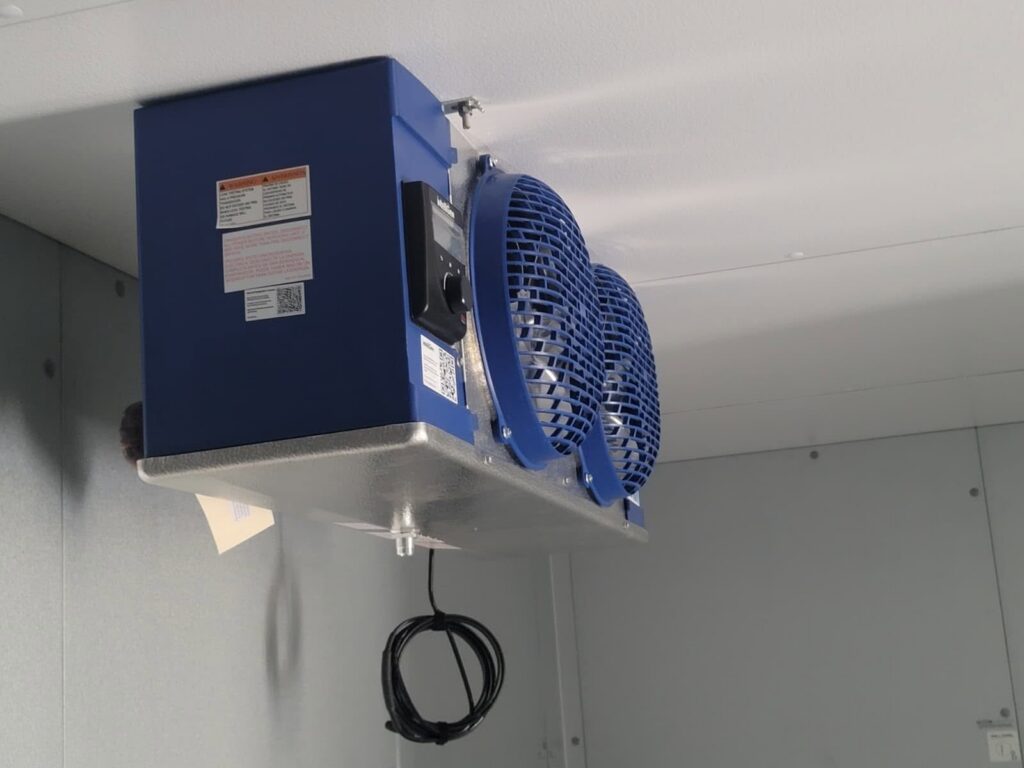
Walk-in cooler evaporator fans working overtime during peak summer heat.
Ice Machines
Ice machines are pulled in two directions during summer: guests order more cold drinks, and hotter, more humid air makes it harder for the machine to actually produce ice efficiently. A unit that’s overdue for cleaning or a refrigerant check can see its output drop by half right when demand doubles. Routine ice machine preventive maintenance keeps output steady through the busiest bar shifts of the year.
Exhaust Hoods and Kitchen HVAC
A kitchen exhaust system that isn’t pulling properly turns an already hot line into an unbearable one, which slows down cooks, increases staff turnover risk, and can trigger health and fire code issues. Combined with an overworked kitchen HVAC system, poor ventilation is one of the fastest ways a restaurant’s back-of-house grinds to a halt during a summer rush.
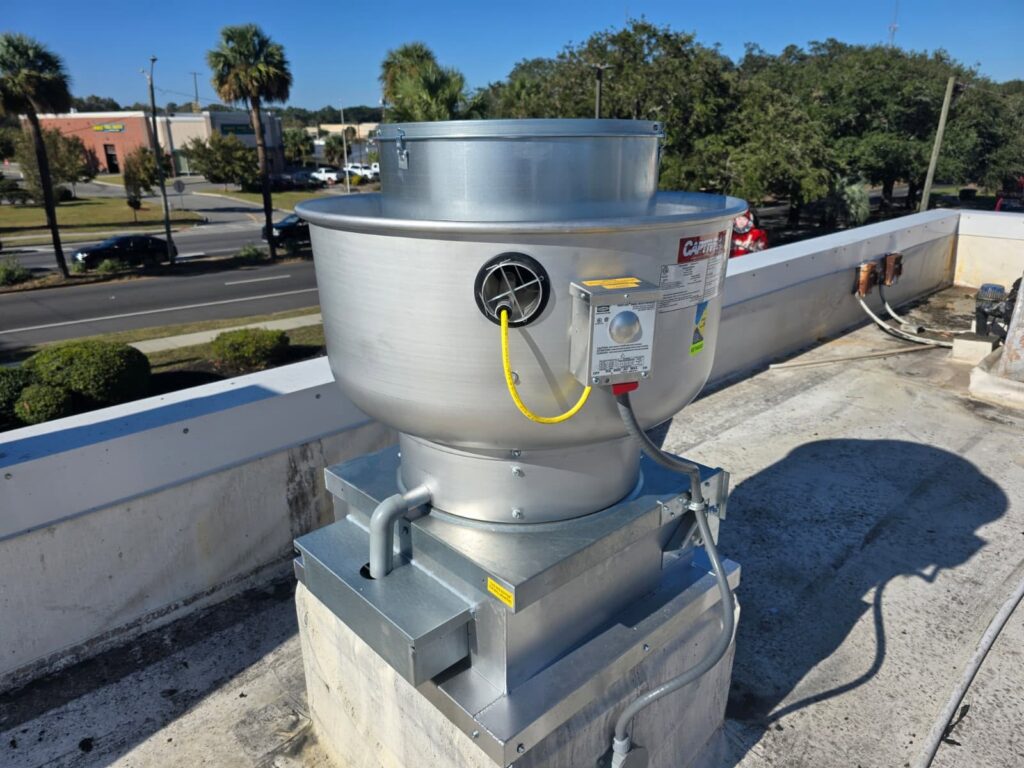
Rooftop exhaust equipment under summer service — clogged or underperforming units strain the whole kitchen.
Frozen Beverage and Shake Machines
Frozen drinks and shakes are some of the highest-margin items on a summer menu, which is exactly why a broken machine hurts so much. Heat causes mix separation, motor strain, and more frequent breakdowns right when demand peaks. A seasonal shake and frozen beverage preventive maintenance visit before summer keeps these machines running through the entire season instead of failing on your busiest weekend.
Commercial Cooking Equipment
Fryers, ranges, flat-tops, and ovens all run hotter kitchens hotter, and a kitchen that’s already fighting summer heat puts extra strain on thermostats, igniters, and gas connections. A tuned-up piece of commercial cooking equipment holds temperature more consistently, uses less energy, and is far less likely to force a menu item off the board during a busy service.
Hidden Revenue Leaks Beyond the Repair Bill
The repair invoice is rarely the biggest cost of an equipment failure. The real damage usually happens around it:
- Spoiled inventory — a few hours without proper refrigeration can wipe out an entire delivery of proteins, dairy, and produce.
- Lost covers and walkouts — guests who show up to a limited menu or long wait often don’t come back, and they tell friends why.
- Overtime and scheduling chaos — staff working around broken equipment slows every ticket, which stretches shifts and payroll.
- Health code exposure — equipment running outside safe temperature ranges can trigger violations, fines, or a shutdown during an inspection.
- Emergency service premiums — after-hours and weekend repair calls almost always cost more than a scheduled visit would have.
Add these up over a single bad weekend, and a restaurant can lose far more in hidden costs than the actual repair ever costs.
How Preventive Maintenance Protects Your Summer Revenue
The restaurants that make it through July and August without a major equipment loss almost always have one thing in common: a maintenance schedule that runs before the heat hits, not after something breaks. A seasonal walk-in cooler preventive maintenance visit — cleaning condenser coils, checking refrigerant levels, and testing door seals — is one of the highest-return investments a restaurant can make before summer volume peaks.
Preventive maintenance costs a fraction of an emergency repair, and it almost always costs far less than the revenue lost to a single day of downtime. Instead of reacting to a breakdown mid-service, a scheduled inspection catches worn parts, failing motors, and refrigerant leaks while they’re still a quick fix — not a full replacement.
| Don’t Let Equipment Downtime Cut Into Your Summer Revenue Schedule a preventive maintenance visit with Operation Comfort Control, LLC before your next heat wave. See our full range of commercial kitchen equipment services and get your equipment ready for peak season. |
Warning Signs Your Equipment Needs Attention Before It Breaks
Most summer equipment failures don’t happen without warning. These are the signs worth acting on right away:
- Your walk-in cooler or freezer is running longer cycles or struggling to hold temperature.
- Ice production has visibly slowed, or ice is coming out smaller or cloudier than usual.
- The kitchen feels noticeably hotter than it used to, even with the exhaust hood running.
- Equipment is making new noises — humming, clicking, or rattling that wasn’t there before.
- Energy bills are climbing even though usage hasn’t changed.
If any of these sound familiar, it’s worth a professional look before the problem turns into a shutdown. Our guide to common restaurant kitchen equipment problems and repair solutions covers what these warning signs usually mean and when a repair — rather than a full replacement — is still on the table.
Why Local, Fast Equipment Service Matters in Summer
When equipment fails on a Friday night in July, response time is everything. A local team that already knows the restaurants in the area can get on-site faster, diagnose the issue accurately, and often carry the parts needed to fix it on the first visit instead of a return trip days later. Operation Comfort Control, LLC provides equipment repair, installation, and maintenance across the areas we serve throughout Georgia and South Carolina, so restaurants aren’t waiting days for a technician while product spoils and covers walk out the door.
| See What Local Restaurant Owners Are Saying Check our latest reviews and service updates on our Google Business Profile. |
About Operation Comfort Control, LLC
Operation Comfort Control, LLC specializes in commercial kitchen equipment repair, installation, and preventive maintenance for restaurants, convenience stores, and food service businesses across Georgia and South Carolina. Learn more about our team and the brands we service through our trusted equipment partners, from walk-in coolers and ice machines to full commercial cooking lines.
Frequently Asked Questions
Why does restaurant equipment break down more in the summer?
Summer heat and humidity force refrigeration, ice, and ventilation equipment to work harder than the rest of the year, while higher customer volume adds extra wear at the same time — a combination that pushes aging or poorly maintained equipment past its limit.
What is the most common cause of walk-in cooler failure in July and August?
The most common cause is compressor overload from high ambient temperatures, often made worse by dirty condenser coils or worn door gaskets that let cold air escape.
How much can a broken ice machine cost a restaurant per day?
Depending on bar and beverage volume, a broken ice machine can cost a restaurant roughly $300 to $1,200 in lost drink sales during a single busy summer day.
How often should commercial kitchen equipment be serviced in summer?
Most commercial kitchen equipment benefits from a full inspection before the summer season begins, with a follow-up check midway through July and August for high-use items like walk-in coolers, ice machines, and exhaust systems.
What areas does Operation Comfort Control, LLC serve?
Operation Comfort Control, LLC provides commercial kitchen equipment services throughout Georgia and South Carolina, including the surrounding communities listed on our service area page.
Conclusion: Protect Your Summer Revenue Before Equipment Fails
July and August will always be demanding months for restaurant equipment, but they don’t have to be the months your kitchen loses the most money. A little preventive maintenance now — on walk-in coolers, ice machines, exhaust systems, and cooking equipment — is far cheaper than a single day of lost revenue during your busiest season.
| Ready to Stop Losing Revenue to Equipment Breakdowns? Contact Operation Comfort Control, LLC today to schedule your summer equipment inspection. Get in touch with our team and keep your kitchen running through the rest of the season. |
